


14k vs. 18k Gold: Which One Should You Actually Buy?
You are looking for a new piece of jewelry. It is exciting to browse through diverse options, however you may get overwhelmed by details. The good news is that having different options comes with many benefits as well. Zen Diamond guides you through your choice of jewelry to find the perfect option.
While searching for a jewelry piece, you will see one ring marked 14k and another marked 18k. The first thing you will realize is that one costs more. But does that make it "better"?
Oftentimes the best gold isn't about the price tag, but it is about your lifestyle. For instance, a nurse who uses her hands all day needs a different metal than someone who works at a desk.
Here is the honest breakdown of the difference between 14k and 18k gold, so you can choose the one that suits your daily life.
What Do the Numbers Mean?
Pure gold (24k) is extremely soft, too soft for everyday jewelry. If you wore a ring made of 100% gold, it could easily bend out of shape even from gripping a steering wheel
To increase durability, jewelers mix pure gold with stronger metals such ascopper, zinc, and silver. The term "karat" refers to the ratio of gold to these other metals.
-
18k Gold: 75% Pure Gold + 25% Durable Alloys
-
14k Gold: 58.3% Pure Gold + 41.7% Durable Alloys
Factor 1: Durability (The Lifestyle Test)
Because 14k gold has a higher percentage of strong metals (alloys), it is significantly harder than 18k gold.
-
Choose 14k gold if: You are active. If you go to the gym, garden, lift heavy objects, or work with your hands, 14k is your best friend. It resists scratches, dents, and bending much better than 18k.
-
Choose 18k gold if: You are easier on your jewelry. It is still durable enough for everyday wear, but it will pick up scratches and a patina (a soft, lived-in look) faster than 14k.
Factor 2: Appearance (The Color Test)
The difference in gold content affects the color, although the change is often subtle and difficult to detect for an untrained eye to detect
-
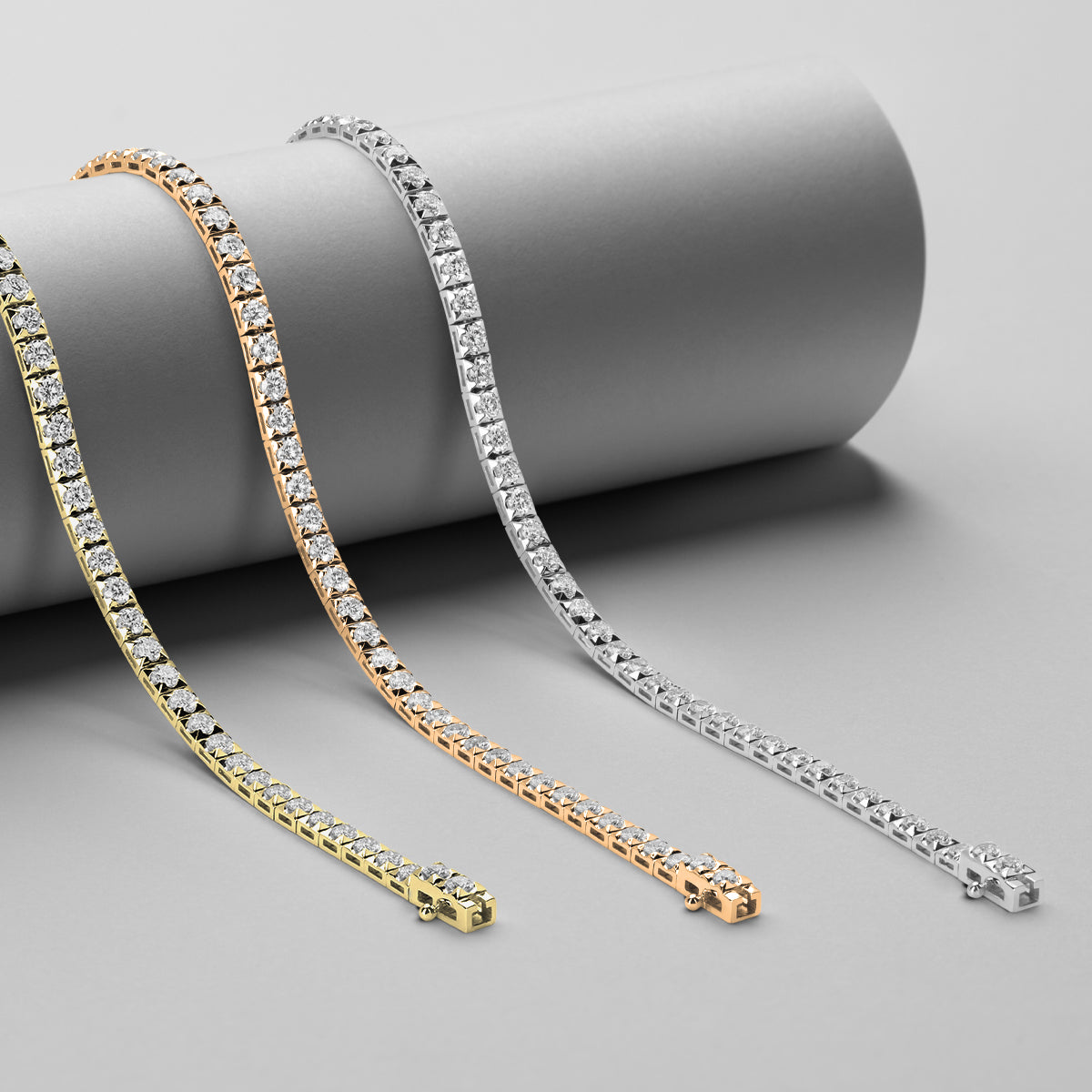
Yellow Gold: 18k gold has a rich, buttery, deep yellow tone because it contains a higher percentage of pure gold. 14k gold appears slightly lighter with a more subtle yellow hue
-
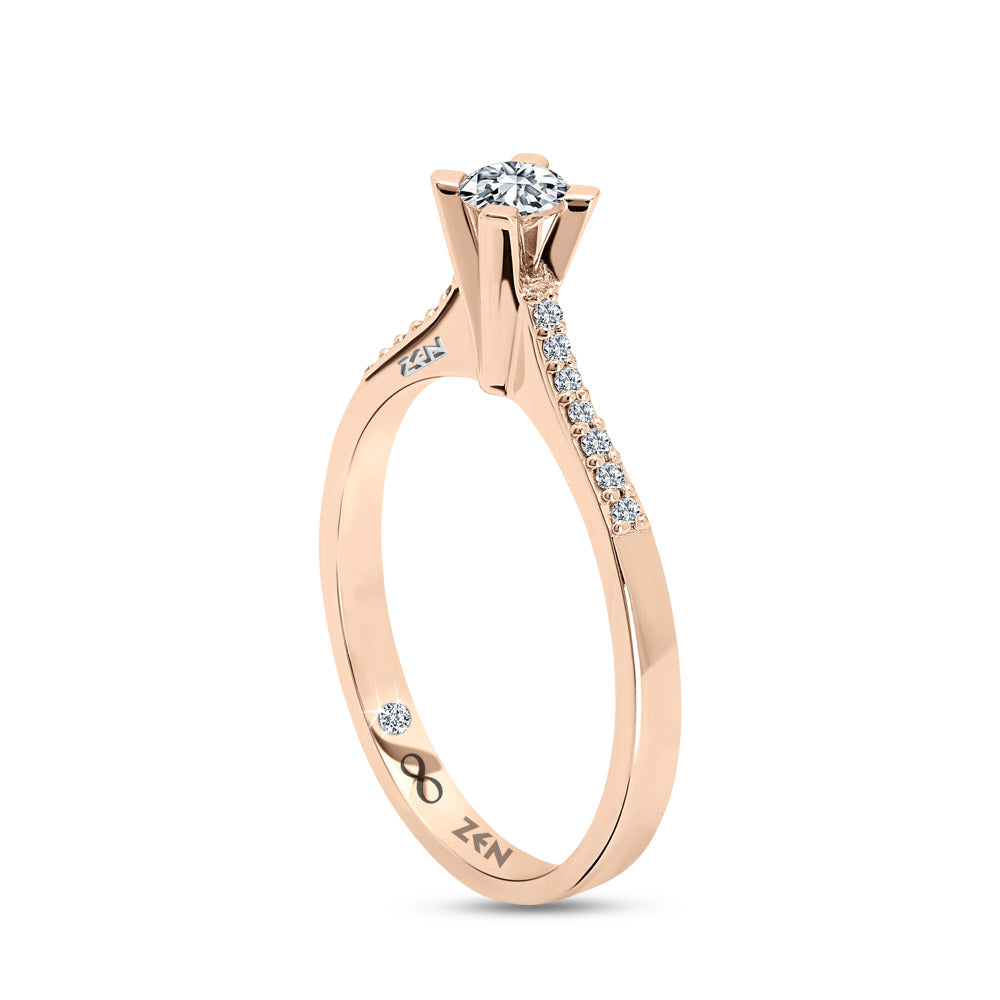
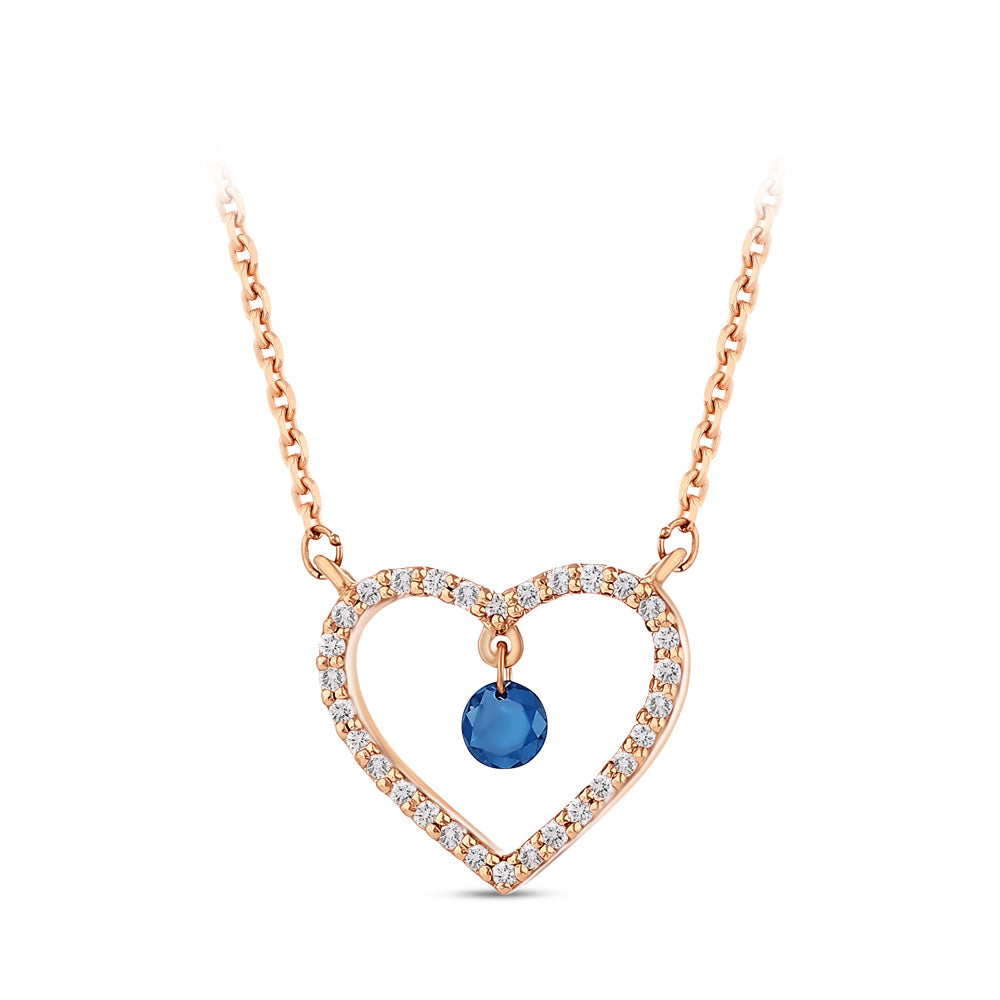
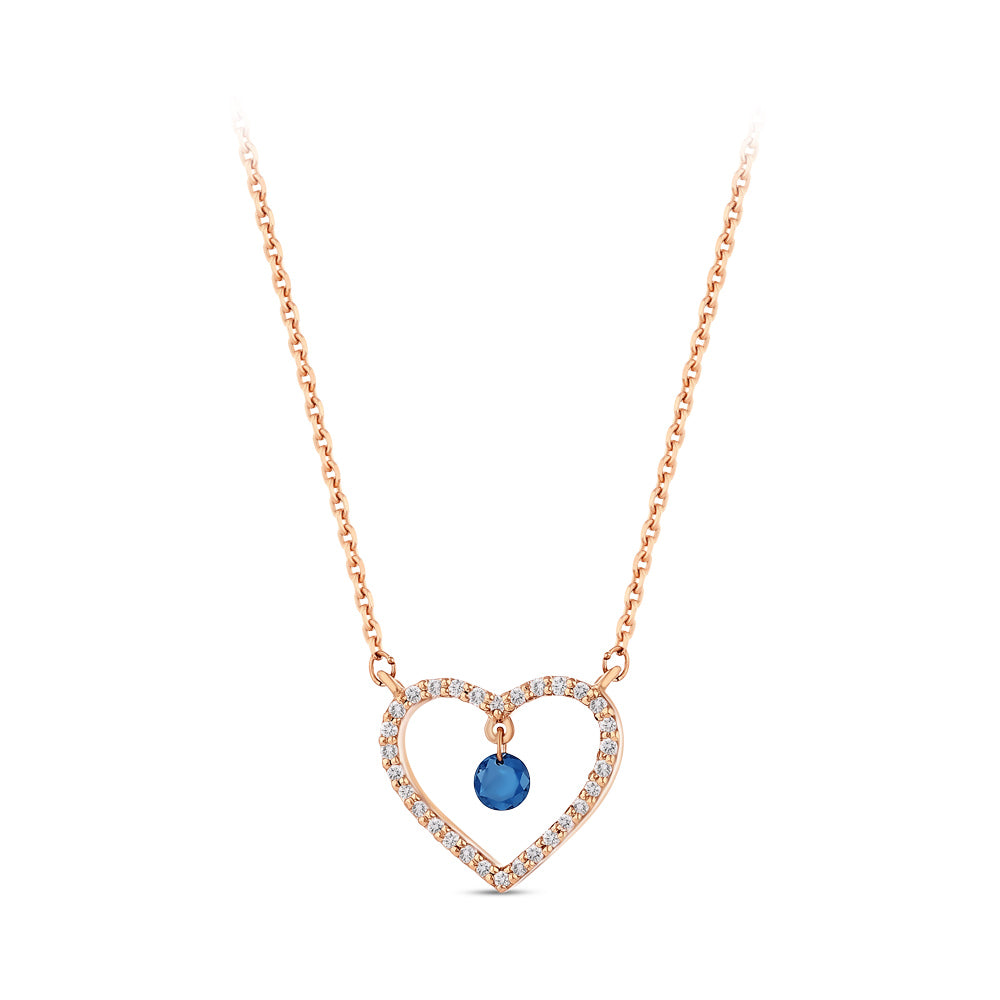
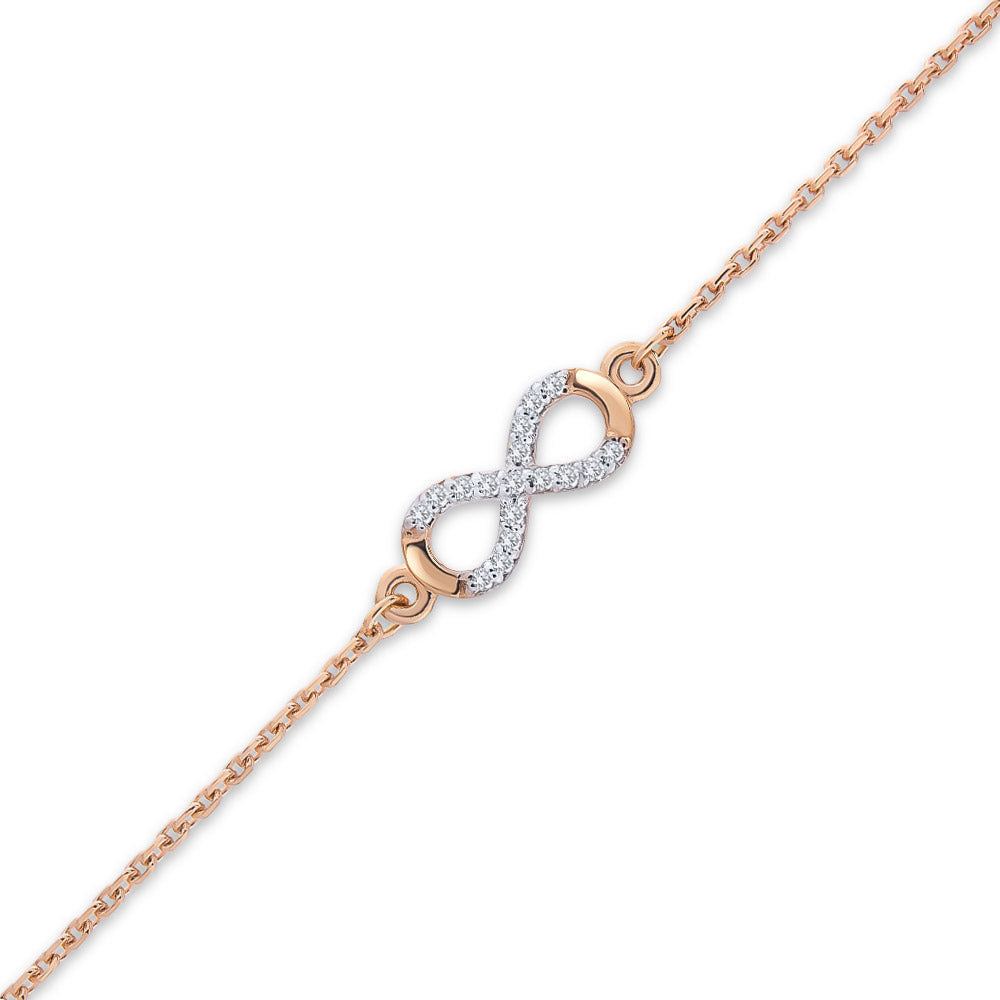
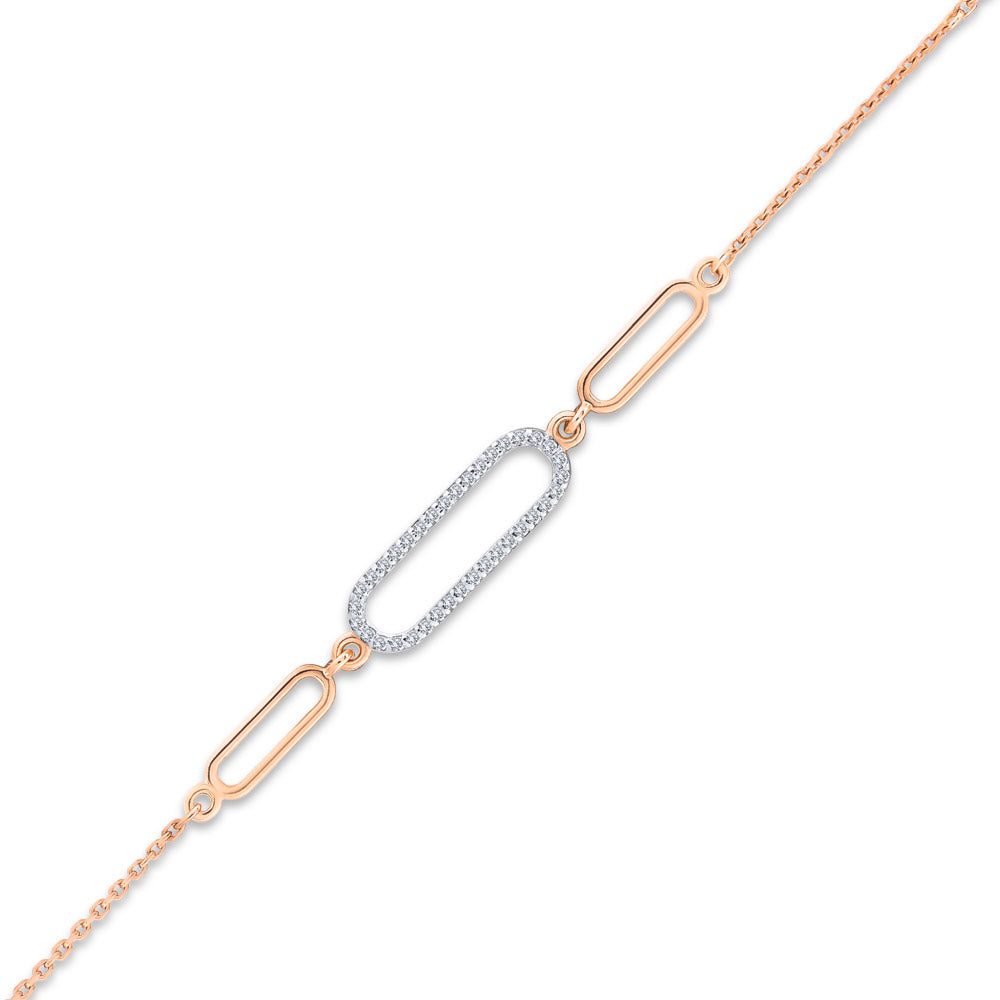
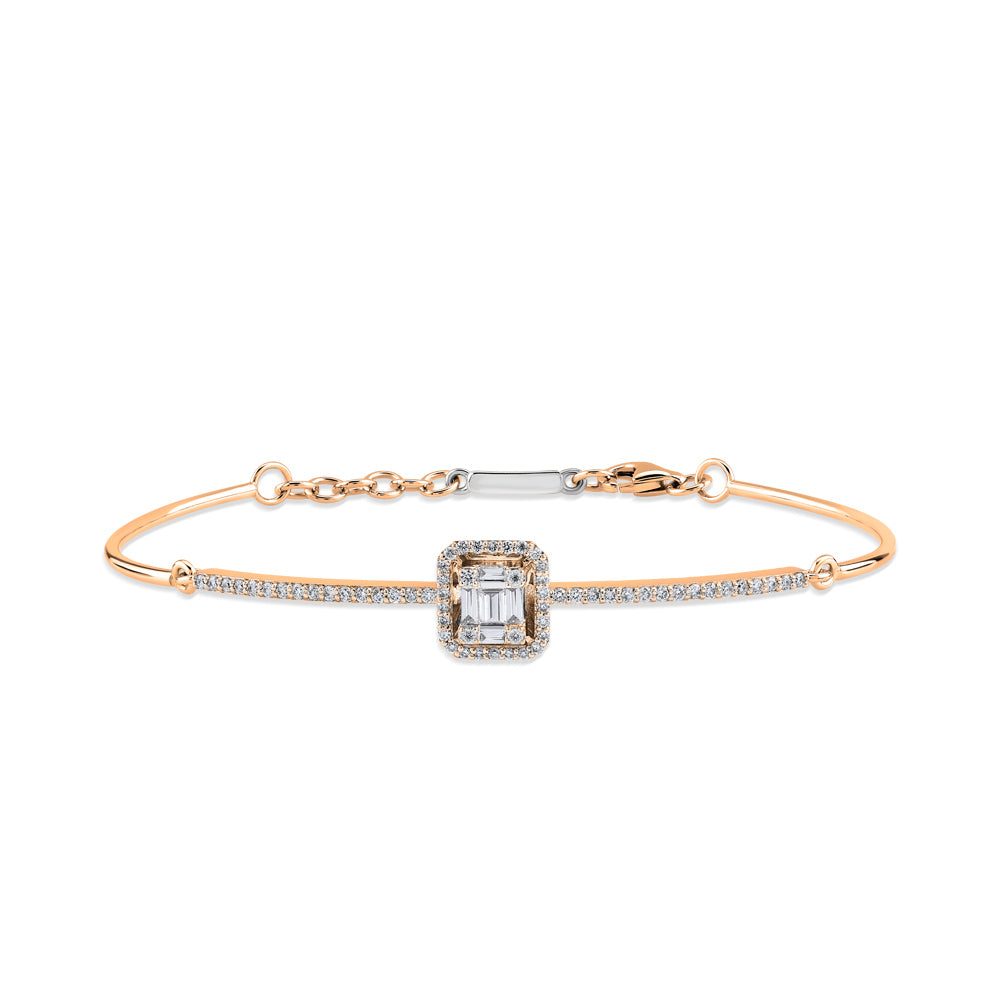
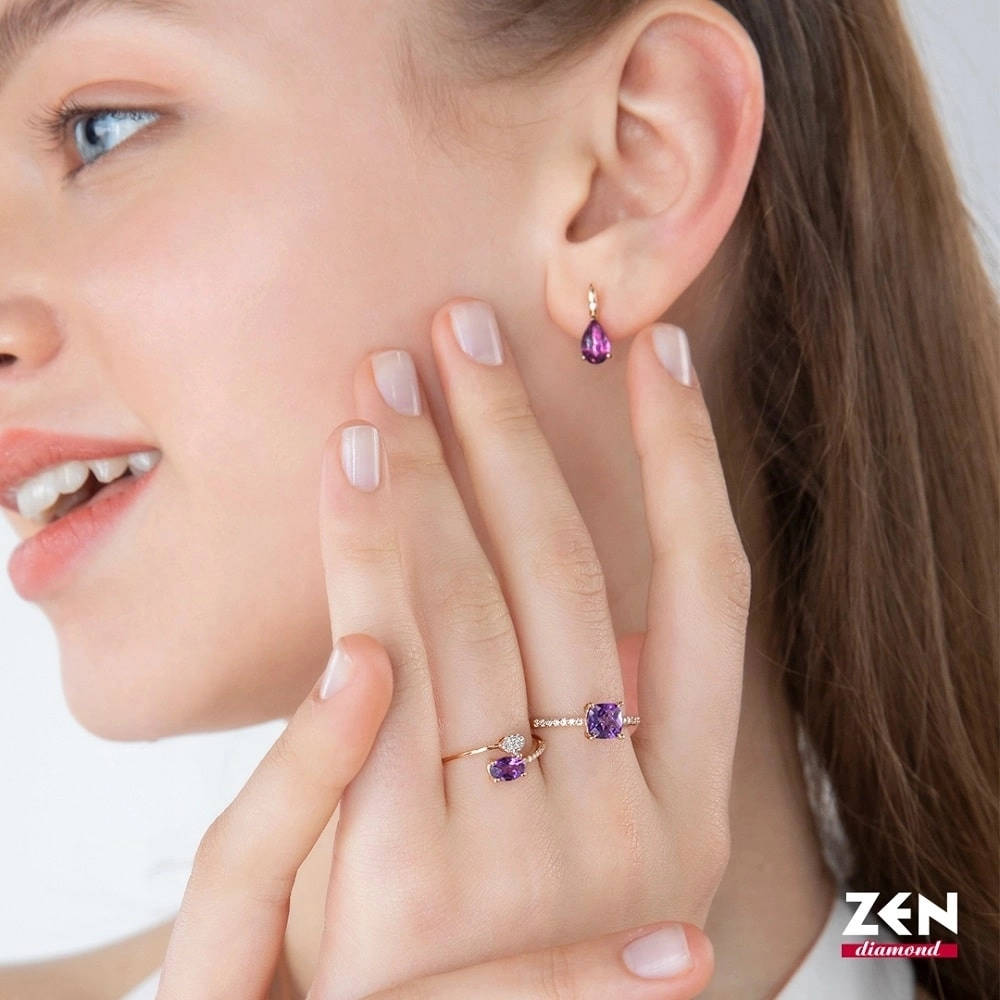
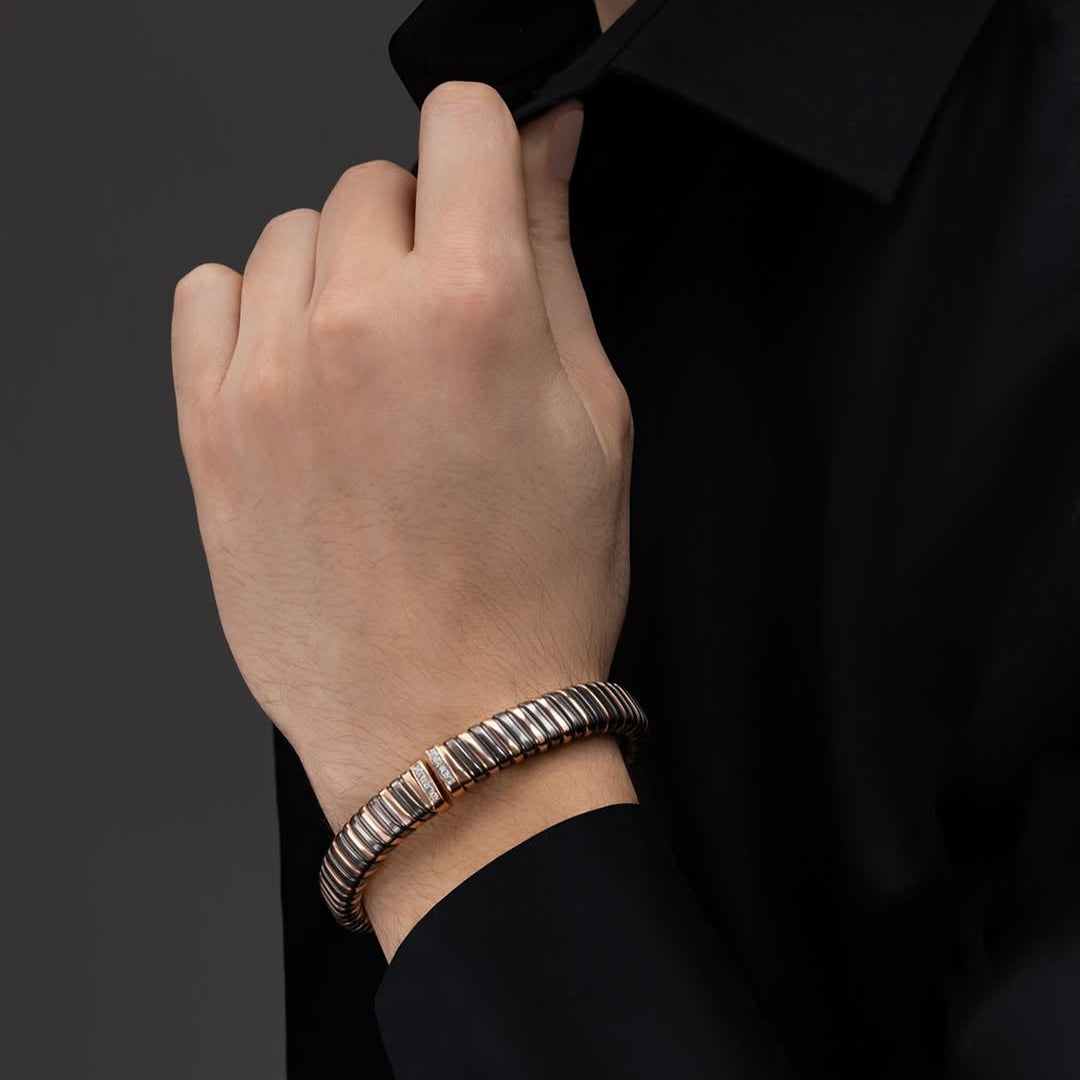
Rose Gold: Ironically, 14k rose gold is often more pink orred than 18k. Why? This is because the rosy color comes from copper.. Since 14k gold has more alloy metals(copper), the pink tone appears more intense. 18k rose gold tends to look softer and peachier.
-
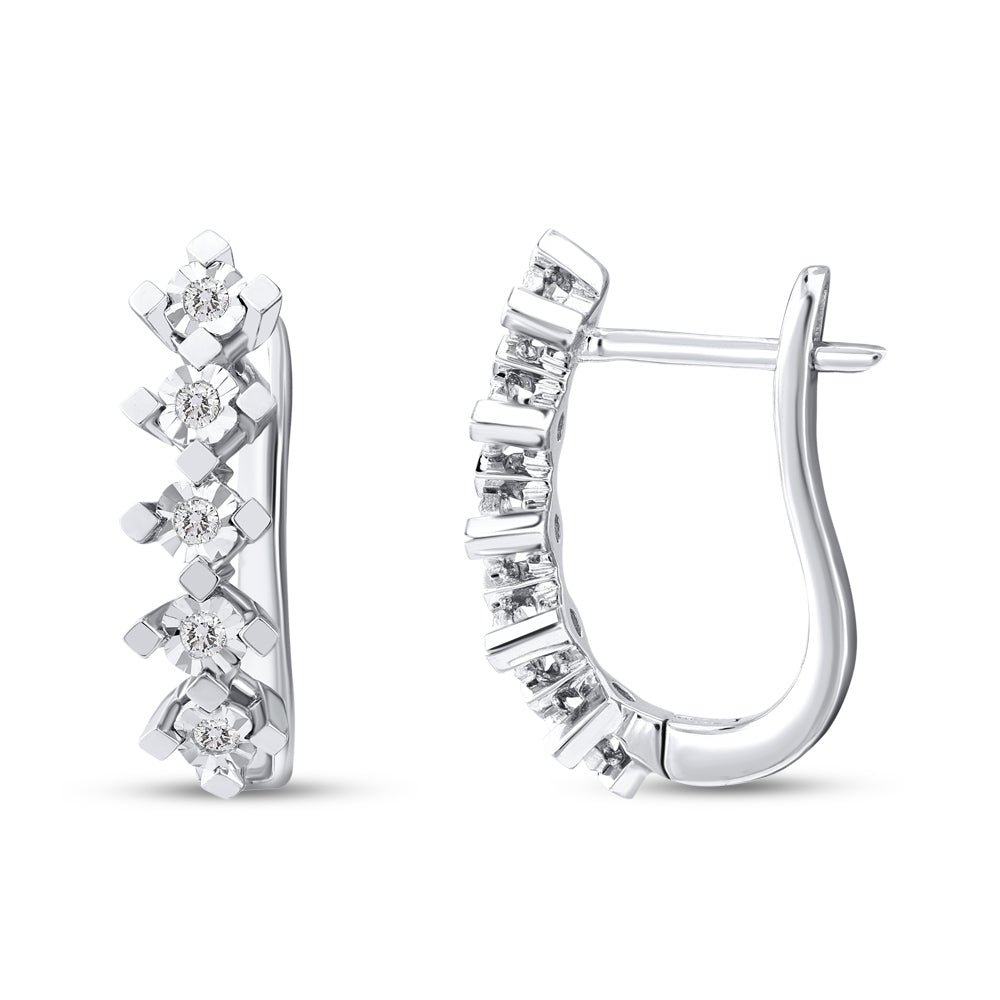
White Gold: To the naked eye, 14k and 18k white gold look almost identical because both are typically plated with rhodium (a metal from the platinum family) to achieve their bright white finish.
Factor 3: Skin Sensitivity (The Allergy Test)
Last but not least, there is a hidden factor many people overlook: skin sensitivity.. If you have sensitive skin, 18k gold is generally recommended. Some people are allergic to metals such as nickel or copper which are commonly used in gold alloys.. Since 18k gold contains less alloy and a higher percentage of pure gold, it is considered a safer choice for sensitive skin.
The Verdict: Which One Is Better?
There is no "wrong" answer. What matters most is your preference for either maximum durability or maximum purity.
Choose 14k Gold if: You want the highest durability for an active lifestyle, prefer a lighter yellow tone, or are looking for the best value. 14k gold is is the champion of everyday wear.
Choose 18k Gold if: You want a richer, deeper gold color, have sensitive skin, or view jewelry as a long-term investment. 18k gold represents luxury, purity, and tradition.