

Beyond the Month: The True History of Birthstones
When you buy a piece of jewelry for a birthday, choosing the right gemstone feels deeply personal. Most of us grow up believing that our birthstone is a fixed, ancient identifier. It felt as if a magical gem were intrinsically tied to the month we were born. However, it may come as a surprise that the system we use today is a relatively modern invention.
Despite the deep religious and cultural roots of birthstones, the idea of tying a single stone to a person's birthday wasn't initially practiced.
If you are curious about the real history of birthstones, you're in the right place. Historical reality is distinguished from marketing myths, revealing the evolution of ancient talismans into the modern birthstone charts we recognize today.
The Origin of Birthstones: Where It All Began
To understand the ancient history of birthstones, we have to let go of the modern calendar. The earliest use of these gemstones began as symbolic and religious practices, rather than personal identifiers for individuals.
Biblical Roots and the Breastplate of Aaron
The most widely accepted biblical origin of birthstones traces back to the Book of Exodus (28:15–30). The text talks about a holy breastplate that Aaron, the High Priest of the Israelites, wore. This garment featured a meticulous arrangement of twelve distinct gemstones, each representing one of the twelve tribes of Israel.
Over the centuries, historians and scholars began to link these twelve breastplate stones to other sets of twelve:
-
The 12 signs of the zodiac
-
The 12 months of the year
Important note: In ancient times, people didn't just wear the stone of their birth month. They originally possessed all twelve stones, wearing a different one each month to harness its specific powers when it was "in season."
Birthstones in Ancient Civilizations
Beyond the biblical narrative, gemstones in ancient cultures held immense significance. However, their meaning came from complex belief systems, not birth dates.
-
Ancient Egypt: Gemstones were deeply linked to protection and the afterlife. Stones like turquoise and lapis lazuli were buried with pharaohs to ensure safe passage to the next world.
-
Ancient Rome: Romans believed gems held cosmic or planetary powers that could influence daily life.
-
India: In Ayurvedic traditions, gemstones were deeply connected to planetary energies.. They were used to balance the body's energy and align individuals with cosmic forces.
How Birthstones Evolved Over Time
How did we go from collective religious symbols to individual identifiers? The evolution of birthstones is a traceable sign of changing beliefs.
From Sacred Stones to Personal Talismans
During the Middle Ages, the symbolism of gemstones took on a more personal, almost mystical role. People began wearing specific stones not just for religious observance, but for:
-
Protection against disease or evil spirits
-
Healing specific ailments
-
Luck in battle or commerce
The prevailing belief was that gemstones possessed spiritual properties that could physically alter a person's life.
The Shift Toward Monthly Birthstones
The transition to assigning one birthstone per month began between the 16th and 18th centuries. Scholars believe this shift originated in Poland, influenced by the rising popularity of astrology and the standardization of the calendar. Even then, there was no universal agreement on birthstones by month; lists varied significantly depending on cultural traditions, regions, and historical sources.
Birthstones by Month: A Modern Invention
If you have ever looked at a modern birthstones list, you are looking at a document created for commerce, not history. The standardized chart we use today is largely a modern invention.
The 1912 Standardization
In 1912, the American National Retail Jewelers Association (now Jewelers of America) gathered to create an official birthstone chart. While it sounds official, their primary goal was straightforward: simplify and promote gemstone sales.
Before 1912, jewelers faced confusion from conflicting historical lists. By establishing a single, standardized chart, they created a brilliant marketing strategy that forever changed how we buy jewelry.
The True Meaning Behind Birthstones
Because the list has changed so much, the birthstones meaning varies greatly depending on the time, place, and culture you are looking at.
Symbolism Across Cultures
Throughout history, the spiritual meaning of birthstones has remained incredibly rich:
-
Ruby: Associated with power, protection, and vitality.
-
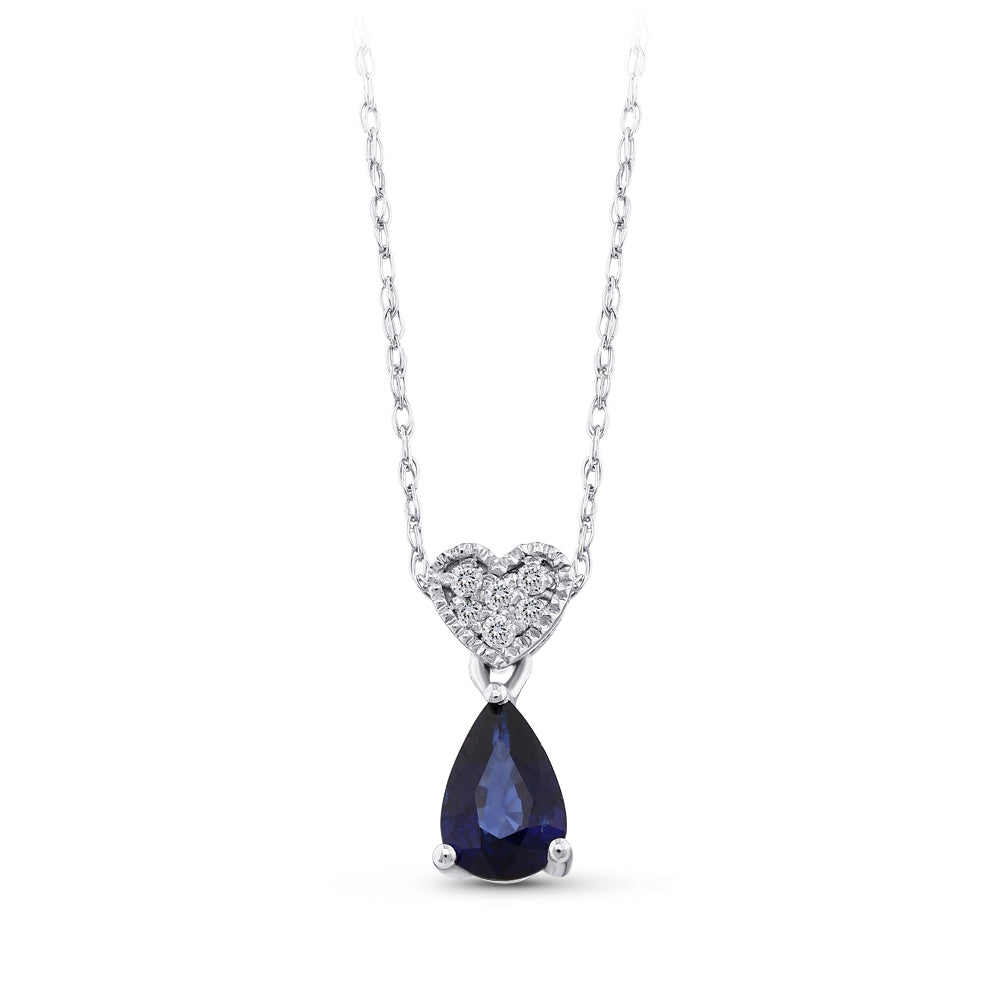
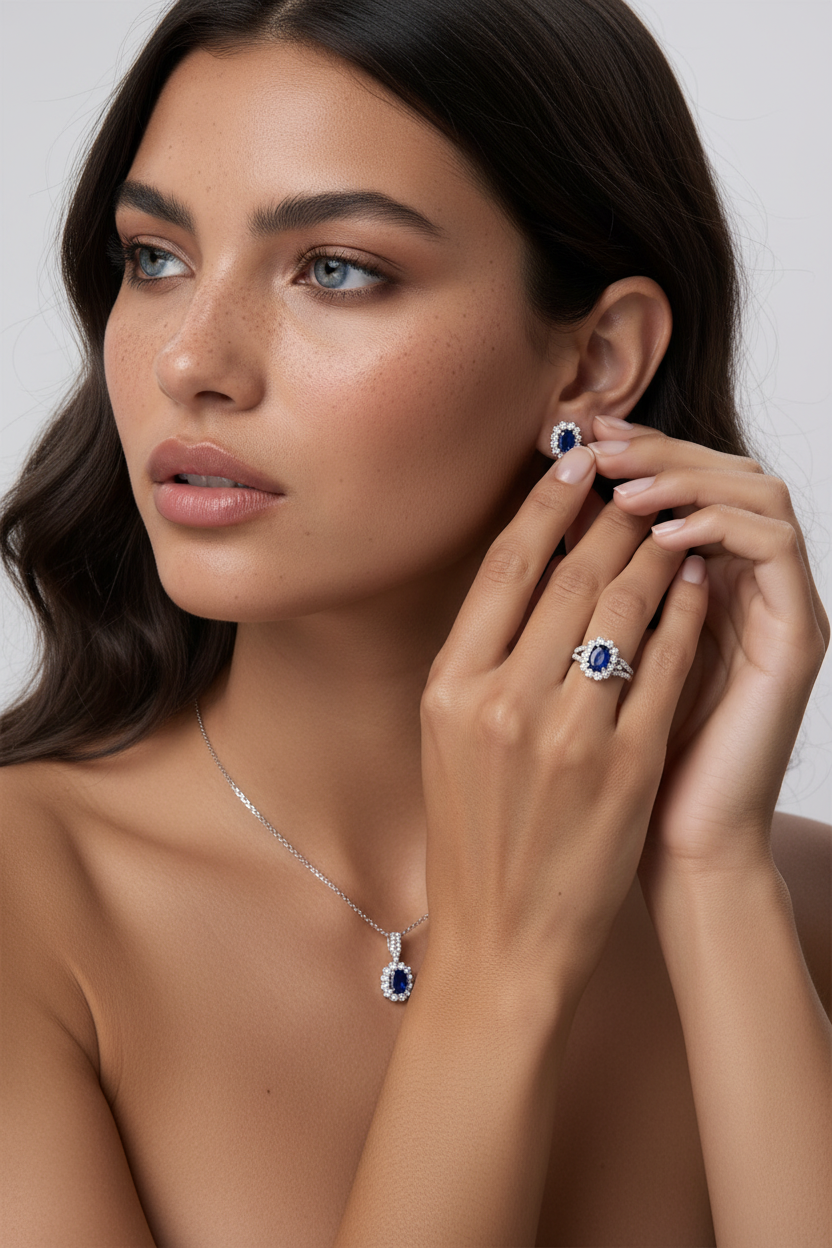
Sapphire: A symbol of wisdom, royalty, and purity.
-
Emerald: Deeply connected to fertility, rebirth, and nature.
Do Birthstones Really Have Powers?
If you are wondering about the healing properties of birthstones, the answer depends on your perspective.
-
Historically: Yes, ancient and medieval societies genuinely believed in the physical and spiritual healing powers of gems.
-
Modern Perspective: While there is no scientific consensus that rocks possess magical powers, the psychological and symbolic value is very real. Wearing a stone that represents your identity, or carrying a gem that reminds you of strength, holds incredible emotional power.
Are Modern Birthstones Historically Accurate?
To put it simply, there is no historic evidence that birthstones were used as they are today.
If we look at the facts, the modern chart greatly simplifies complex ancient traditions. It is driven heavily by commercial interests and often removes the rich cultural and historical nuance that made these stones sacred in the first place.
However, just because it isn't historically accurate doesn't mean it isn't meaningful.
Why Birthstones Still Matter Today
The meaning of birthstones today lies in cultural relevance rather than historical accuracy.
Even knowing the 1912 list was a marketing tactic, we still love birthstones. Why? Because human beings love attributing a meaning to materials. We value personalization. Giving a mother a necklace with the birthstones of her children, or buying yourself a ring that represents your birth month, taps into our deep desire for identity and connection.
Find Your Perfect Stone Today
Whether you are drawn to the ancient, mystical symbolism or the vibrant colors of the modern chart, wearing your birthstone is a meaningful way to celebrate your unique story. Ready to find a piece that truly resonates with you? Explore our gemstone collection and diamond jewelry.