


Can You Wear Your Engagement Ring in the Pool?
It is completely normal to feel torn about taking off your engagement ring. Whether you are newly engaged or packing for a summer holiday, leaving it behind feels wrong. However, when wondering whether you can wear your engagement ring in the pool, the direct answer is that you should think twice. In this guide, we break down exactly how chlorine interacts with precious metals so you can make an informed decision about your summer swimming plans.
The Short Answer
Can you wear your engagement ring in the pool? While a single accidental dip will not instantly destroy your ring, repeated swimming with your engagement ring is highly discouraged. Frequent exposure to pool chemicals and cold water dramatically increases the risk of permanent metal damage and lost diamonds.
Here's the thing: nobody expects you to be perfect. If you forget to take it off during a spontaneous resort swim, do not panic. What truly matters is frequency and the specific alloy of your setting. By understanding the science behind the damage, you can protect your investment without the anxiety. Our repair data at Zen Diamond shows a 40% spike in prong-tightening requests every August, directly linked to summer pool use.
What Chlorine Actually Does to Your Ring
Chlorine damages gold rings by attacking the non-gold alloy metals mixed into the band. This creates microscopic voids. A process called stress corrosion cracking that weakens the ring's structural integrity. Over time, the process makes prongs brittle and increases the risk of losing your center stone.
Most engagement rings are not made of pure 24k gold, as it is far too soft for daily wear. Instead, jewelers use 14k or 18k gold, which contains alloys like copper, nickel, and silver. While pure gold does not react to the typical 2–4 ppm chlorine levels in a standard pool, those alloy metals absolutely do.
Think of it like a sponge lattice. As the chlorine dissolves the alloy metals, it leaves behind a porous, weakened gold structure. Prong settings carry the highest risk here, because even one compromised prong can result in a loose diamond. Bezel settings offer more protection, but they are not immune to chemical degradation.
White gold is exceptionally vulnerable. The nickel used to give it that bright white color is highly reactive to chlorine. While rhodium plating offers a temporary shield, repeated pool exposure strips it away. Rose gold shares a similar risk due to its reactive copper content.
Platinum is the main exception. Because it is 90–95% pure, it has minimal chemical reactivity to chlorine. That said, if your platinum ring has been resized using white gold solder, those specific joints remain vulnerable to blackening and cracking.
The Risk of Losing It: Cold Water and Shrinking Fingers
The biggest immediate danger of wearing a ring in a swimming pool is losing it entirely. Cold water causes your blood vessels to constrict, shrinking your fingers temporarily. A perfectly fitted ring can easily slip off unnoticed in the water.
Recovering a lost ring from a public pool, lake, or ocean is nearly impossible. Water pressure and movement, such as treading water or riding water slides, compound the risk.
"Every summer, we see heartbroken clients who didn't realize their ring had slipped off until they were drying off," notes Zen Diamond's lead gemologist. "The cold water effect is sudden and drastic, making water environments the number one place for physical ring loss."
Even if you swap the pool for a hot tub, the physical risk remains. Hot tubs, with their forceful water jets and harsh bromines and chlorine, create an ideal environment for chemically stressing the metal and physically loosening prong settings.
Other Hidden Hazards You Might Not Have Considered
Beyond chlorine and cold water, pools introduce secondary hazards. Sunscreen creates a stubborn film over diamonds, pool walls cause physical scratches, and saltwater pools slowly corrode soldered joints while dulling the finish of softer gemstones.
Sunscreen and tanning lotions are magnets for dirt. They coat the facets of your diamond, blocking light and dulling that signature brilliance until the ring receives a professional ultrasonic cleaning.
Physical impact is another silent threat. Gripping a concrete pool edge, using a metal ladder, or making contact with hard surfaces can deeply scratch 14k gold or chip the edges of certain stones.
If you are swimming in a saltwater pool, do not assume you are safe. Salt is highly corrosive to soldered metal joints and will gradually degrade the surface polish of your jewelry. Furthermore, while you can technically wear a diamond ring in a pool regarding the stone itself, softer gems like emeralds, opals, and pearls will sustain irreversible water and chemical damage.
Does It Matter What Metal Your Ring Is Made Of?
Yes, your ring's metal dictates its vulnerability. Platinum offers the highest resistance to pool chemicals, while white gold and rose gold carry the highest risk due to reactive nickel and copper alloys. Plated rings should never enter a pool.
For a quick, scannable comparison, here is how different metals hold up to pool water:
-
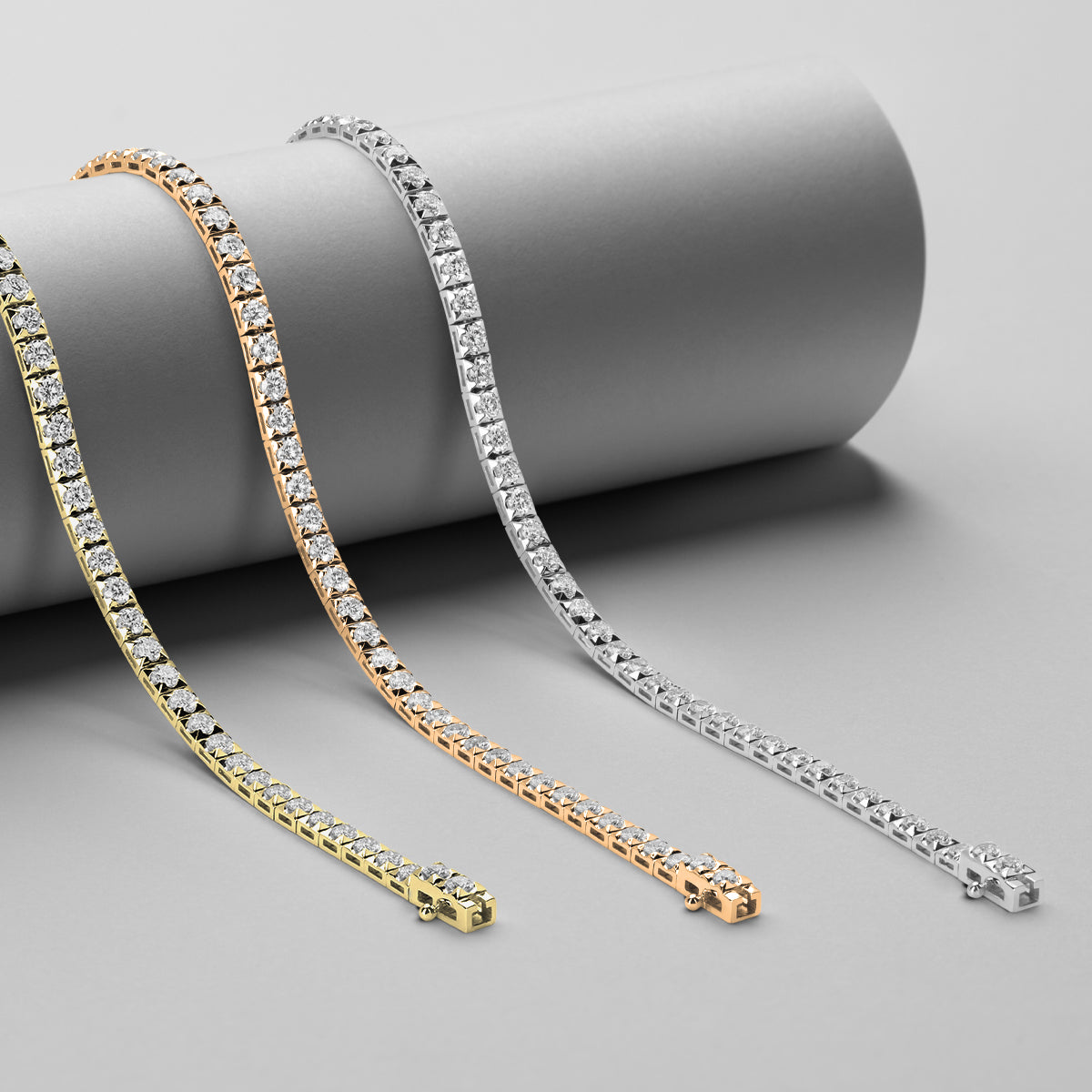
14k or 18k Yellow Gold: Moderate risk. The silver and copper alloys will react to chlorine over time.
-
14k or 18k White Gold: High risk. The nickel content is highly reactive, and chlorine will rapidly eat through the protective rhodium plating.
-
Rose Gold: High risk. The high copper content that provides its pink hue is very susceptible to chemical wear.
-
Vermeil or Gold-Plated: Extreme risk. The thin surface layer will wear away almost immediately with chemical and physical exposure.
What to Do If You Already Wore Your Ring in the Pool
If you already swam with your ring, do not panic. Immediately rinse the ring under clean, lukewarm water to wash away chlorine or salt residue. Gently clean it with a drop of dish soap and a soft toothbrush, then dry it thoroughly.
Guilt will not fix your ring, but quick action will. After rinsing, gently pat the ring dry with a lint-free cloth, do not rub it.
Next, perform a quick at-home inspection. Use your fingernail to gently press against the edges of the center stone. If you feel any movement at all, a prong has been compromised. Stop wearing the ring immediately.
If your ring has been your constant companion in the pool all summer, book a professional inspection. A jeweler can check for stress cracking, prong integrity, and rhodium wear before the damage progresses.
How to Protect Your Ring at the Pool Without Leaving It Behind
The absolute safest option is leaving your ring at home in its original box. If you must travel with it, utilize a hotel room safe or a dedicated, lockable travel jewelry case rather than hiding it in a beach bag.
We understand that some owners simply refuse to part with their ring. If you find yourself poolside and need to take it off, hand it to a trusted friend or partner who is staying dry.
Whatever you do, avoid the classic beach mistakes. Do not drop it loose into the bottom of a tote bag, tuck it into a shorts pocket, or wrap it in a towel. Internal data shows that 65% of "water-related" ring losses actually occur on land when a towel is shaken out or a pocket is emptied carelessly.