

Why Do My Earrings Hurt? Fixing the Most Common Causes
Earrings can be an easy way to complete an outfit, but they should not leave your ears feeling sore, itchy, swollen, or irritated. If your earrings hurt after wearing them, the problem may be related to the metal, the fit, the weight, or even how long you wear them.
The good news is that many common causes of earring discomfort are easy to address. Understanding why your earrings hurt can help you find more comfortable styles without giving up the jewelry you love.
Why Do My Earrings Hurt?
Earring discomfort can have several causes. Some of the most common include:
-
Metal sensitivity or an allergic reaction
-
Earrings that are too heavy
-
Posts or backs that are too tight
-
Friction or pressure on the earlobe
-
Wearing earrings for too long
-
Irritation around a new piercing
-
Poorly fitting earring designs
The right solution depends on what is causing the discomfort.
1. Your Earrings May Be Causing Metal Sensitivity
One of the most common reasons earrings cause irritation is sensitivity to certain metals.
Some people are particularly sensitive to nickel, which can be found in certain jewelry alloys. Reactions may cause itching, redness, dryness, or irritation around the piercing.
If your ears consistently become irritated when you wear a particular pair of earrings but feel fine with others, the metal may be worth investigating.
How to Fix It
Look for earrings made with materials that are less likely to cause irritation, such as gold, platinum, or other jewelry materials suited to your individual sensitivity. If you have a known metal allergy, check the composition of the jewelry before purchasing.
It's also worth remembering that the purity of gold can vary. Gold jewelry is often alloyed with other metals to give it the desired strength, color, and durability, so the karat and alloy composition can matter.
2. Your Earrings May Be Too Heavy
Large statement earrings can look beautiful, but wearing a heavy pair for several hours can put pressure on the earlobe.
You may notice discomfort developing gradually rather than immediately. Your earlobes can feel tender or pulled downward by the end of the day.
How to Fix It
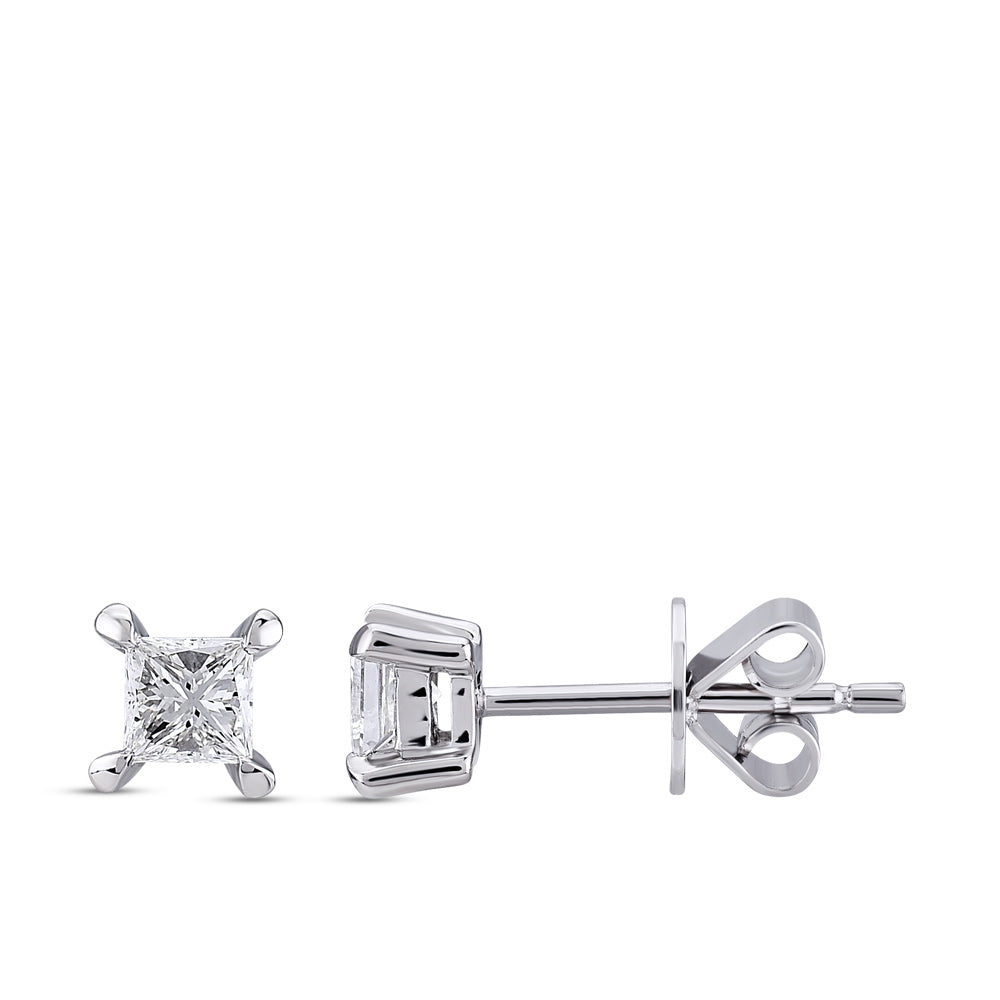
For everyday wear, consider choosing lightweight earrings. Studs and smaller hoops can provide a polished look without putting as much strain on the earlobe.
If you love larger statement earrings, consider saving them for shorter occasions rather than wearing them throughout the entire day.
3. The Earring Back May Be Too Tight
Sometimes the earring itself is not the problem. The back may simply be pressing too tightly against your ear.
An overly tight backing can create constant pressure around the piercing and may contribute to soreness or irritation.
How to Fix It
Make sure there is enough space between the earring back and your earlobe. The earring should feel secure without being compressed against the skin.
If you frequently experience this problem, look for earring backs designed with comfort in mind or ask a jeweler about alternative backing styles.
4. Friction Can Irritate Your Piercing
Repeated movement can cause friction between the earring and your ear. This may be particularly noticeable with hoops, dangling earrings, or pieces that move as you walk.
Sleeping in earrings can also increase friction because the jewelry can press against your ear or pillow.
How to Fix It
Give your ears a break when possible, especially if they are already irritated. Avoid repeatedly touching or adjusting your earrings throughout the day.
If a particular design consistently rubs against your ear, switching to a different style may solve the problem.
5. Your Earrings May Be Irritating a New Piercing
Newly pierced ears require time to heal. During this period, tenderness and sensitivity can be normal, but excessive irritation can interfere with healing.
Avoid repeatedly removing and reinserting jewelry into a healing piercing unless you have been advised to do so by a qualified professional.
If you notice significant swelling, increasing pain, warmth, discharge, or other signs of possible infection, seek advice from a healthcare professional or qualified piercer rather than trying to treat the problem by repeatedly manipulating the jewelry.
6. Your Earrings May Not Fit Properly
An earring can cause discomfort simply because its design does not work well with your ear.
For example, a post that is too short may press against the earlobe, while a loose or poorly balanced design may move excessively.
Earlobes also vary in thickness and shape, so an earring that feels comfortable for one person may not feel the same for another.
How to Fix It
Pay attention to how an earring sits when you first put it on. It should feel secure but not restrictive.
If you love a particular style but find it uncomfortable, ask a jeweler whether the post, backing, or overall design can be adjusted.
7. Your Ears May Simply Need a Break
Even earrings that fit well can become uncomfortable if worn continuously for long periods.
Taking your earrings out before sleeping gives your ears a chance to rest and can reduce unnecessary pressure and friction.
If your ears become sore after wearing earrings all day, try alternating between different styles and choosing lighter pieces for everyday use.
How Can I Make Earrings More Comfortable?
A few simple habits can make a noticeable difference:
Choose the right metal. If you have sensitive ears, pay attention to the materials used in your jewelry.
Consider weight. Lightweight earrings are often more comfortable for extended wear.
Check the backing. Your earring should be secure without pressing tightly against your earlobe.
Give your ears breaks. Remove earrings when appropriate, particularly before sleeping.
Keep jewelry clean. Dirt and product buildup around earrings can contribute to irritation.
Pay attention to warning signs. Persistent or worsening irritation should not simply be ignored.
When Should You Stop Wearing Earrings?
If your ears become noticeably painful, swollen, very red, or increasingly irritated, remove the earrings if it is safe to do so and give the area a chance to recover.
For a new piercing, follow the aftercare instructions provided by your professional piercer. If symptoms are severe, worsening, or suggest an infection or allergic reaction, consult a healthcare professional.
Jewelry should complement your style—not cause ongoing discomfort.
Choosing Comfortable Earrings
Finding comfortable earrings often comes down to choosing a design that suits both your style and your ears. Consider the metal, weight, backing, size, and overall construction before making a purchase.
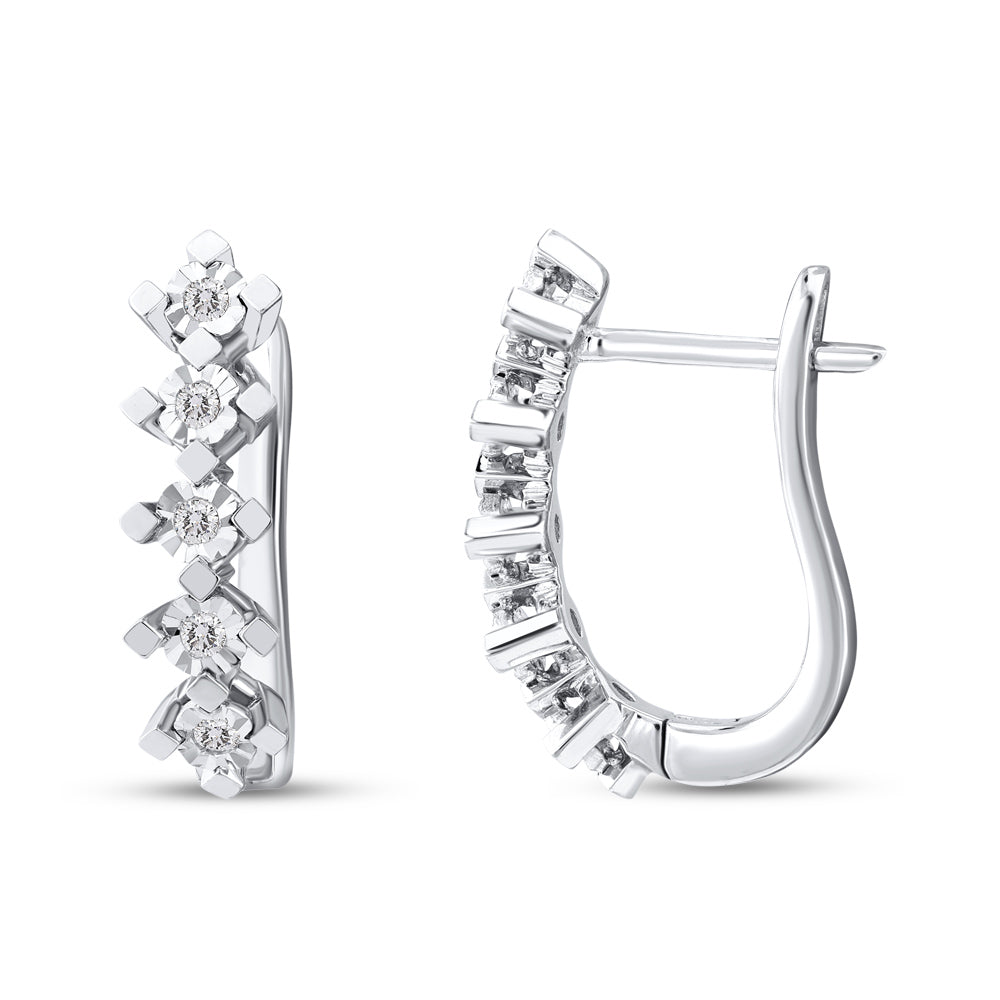
At Zen Diamond, explore a curated selection of diamond earrings designed to bring together timeless style and everyday elegance. From classic diamond studs to sophisticated designs for special occasions, the right pair can add effortless sparkle without compromising on comfort.
Discover Zen Diamond's earring collection and find a pair made to shine beautifully from day to night.