
July Birthstone: Ruby Meaning, Symbolism and History
Few gemstones carry as much weight as the ruby. Ancient kings and warriors prized it above all others. Cultures across Asia believed it held the literal power of life. Today, fine rubies command higher prices per carat than almost any other stone on earth, including diamonds.
If you or someone you love was born in July, your birthstone is extraordinary by any measure. Here's everything you need to know about ruby: what it means, what makes one exceptional, and why it has captivated humans for thousands of years.
Ruby at a Glance
• Mineral: Corundum (aluminum oxide)
• Color: Red. From pale pinkish-red to deep blood red, caused by trace amounts of chromium
• Hardness: 9 on the Mohs scale, second only to diamond
• Main sources: Myanmar (Burma), Mozambique, Thailand, Sri Lanka, Madagascar
• Symbolizes: passion, protection, vitality, courage, enduring love • Anniversary: Traditional gift for 15th and 40th wedding anniversaries
What Does Ruby Symbolize?
Ruby's symbolism runs deeper than most gemstones, and it's surprisingly consistent across cultures that had no contact with each other.
Passion and Love
The ruby's red color made it a natural symbol of the heart. In Western tradition, it represents romantic love, desire, and deep emotional commitment. It's one of the few gemstones that carries this association across virtually every culture that encountered it, from medieval Europe to ancient India.
That's why ruby has long been a favored choice for meaningful gifts between partners, not just as a birthday stone but as a statement of feeling that doesn't need explanation.
Protection and Strength
Ancient Burmese warriors embedded rubies into their skin before battle, believing the stone made them invulnerable. Chinese noblemen used rubies to adorn their armor. In both cases, the ruby wasn't just decorative but was protective.
This belief in ruby's protective power was so widespread that the ancient Sanskrit word for ruby, ratnaraj, translates literally as "king of precious stones." Not just a stone for kings, but the king among stones.
Vitality and Life Force
Many ancient cultures noticed that a ruby's deep red color resembles blood and associated it with life itself. Hindu tradition describes the ruby as the "lord of gems," capable of protecting its wearer from misfortune and bringing good health. In medieval Europe, physicians used rubies in remedies, believing they could cure inflammatory diseases and restore vitality.
The science wasn't there. But the intuition that there's something alive and vital about a fine ruby persists even today.

A Brief History of Ruby
Ruby's recorded history stretches back over 2,500 years. Some of the earliest known ruby mines are in the Mogok Valley of Myanmar, a region that still produces the world's most prized rubies today.
Ancient Hindu texts reference rubies extensively, ranking them above all other gemstones. The stone traveled the ancient Silk Road, reaching Persia, the Arab world, and eventually medieval Europe, where it became a symbol of royalty and divine favor. European crowns and religious relics were set with rubies alongside other precious stones, and often, the ruby was the centerpiece.
By the Renaissance, rubies were among the most expensive objects in existence. A fine Burmese ruby could command a price several times that of a diamond of equal weight, a ratio that, for top-quality stones, still holds today.
What Makes a Ruby Valuable? Understanding Quality
Ruby quality comes down to four factors, and unlike diamonds, color matters far more than any other characteristic.
Color: The Most Important Factor
The most prized ruby color is described as "pigeon's blood", pure, vivid red with a slight blue undertone, neither too dark nor too light. This color is found almost exclusively in Burmese (Mogok) rubies and commands a significant premium over rubies from other regions.
As a general guide, the closer to that pure, vivid red, the more valuable the stone. Stones that lean too pink are classified as pink sapphires. Stones that lean too dark appear almost brown in certain lighting.
Clarity
Almost all natural rubies contain inclusions, tiny internal characteristics formed during the stone's growth. Unlike diamonds, where flawless stones are highly prized, inclusions in rubies are expected and accepted. What matters is that they don't significantly affect the stone's transparency or brilliance.
A ruby with a few inclusions and exceptional color is far more valuable than an eye-clean ruby with a washed-out hue.
Origin
Origin matters for rubies in a way it doesn't for most other stones. Burmese rubies carry a premium based on centuries of reputation and often on measurably superior color. A certificate confirming Burmese origin from a reputable lab (GRS, Gübelin, GIA) adds
meaningful value. Mozambican rubies, which emerged in significant quantities in the 2000s, have gained increasing respect for their vivid color and are now more accessible in price.
Treatment
The vast majority of commercial rubies, well over 90%, have been heat-treated to improve color and clarity. This is an accepted, standard industry practice, and treated rubies are not considered lower quality as a category. What matters is disclosure. Any reputable jeweler or lab report will state clearly whether a stone has been treated and how.
Untreated rubies of fine quality are exceptionally rare and command significant premiums, often several times the price of a treated stone of similar appearance.
Ruby in Jewelry: Which Styles Work Best
Ruby's exceptional hardness (9 on the Mohs scale) makes it suitable for any jewelry type, including rings worn daily. Here's how it works across different pieces:
• Rings: Ruby's durability makes it an excellent choice for rings. Bezel settings offer the most protection for the stone; prong settings maximize color visibility. Avoid very thin prongs with larger stones, as the ruby's weight can stress them over time.
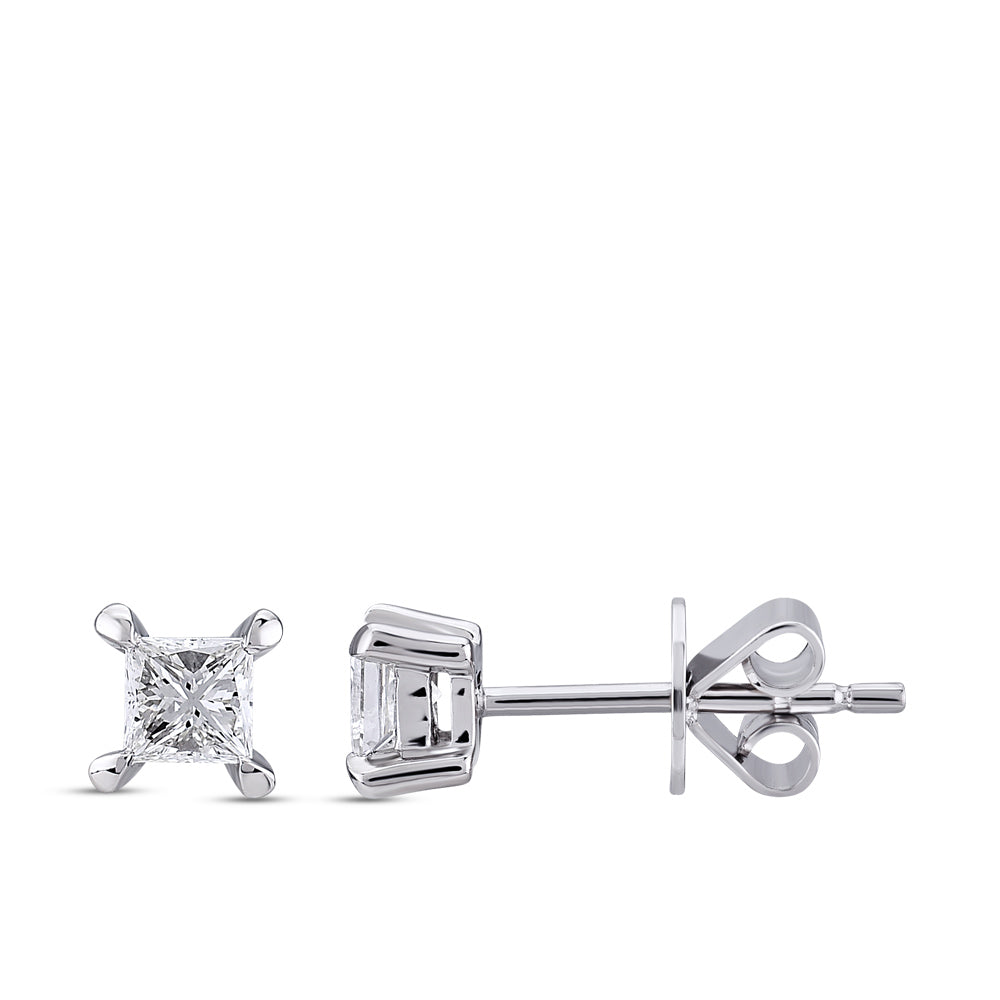
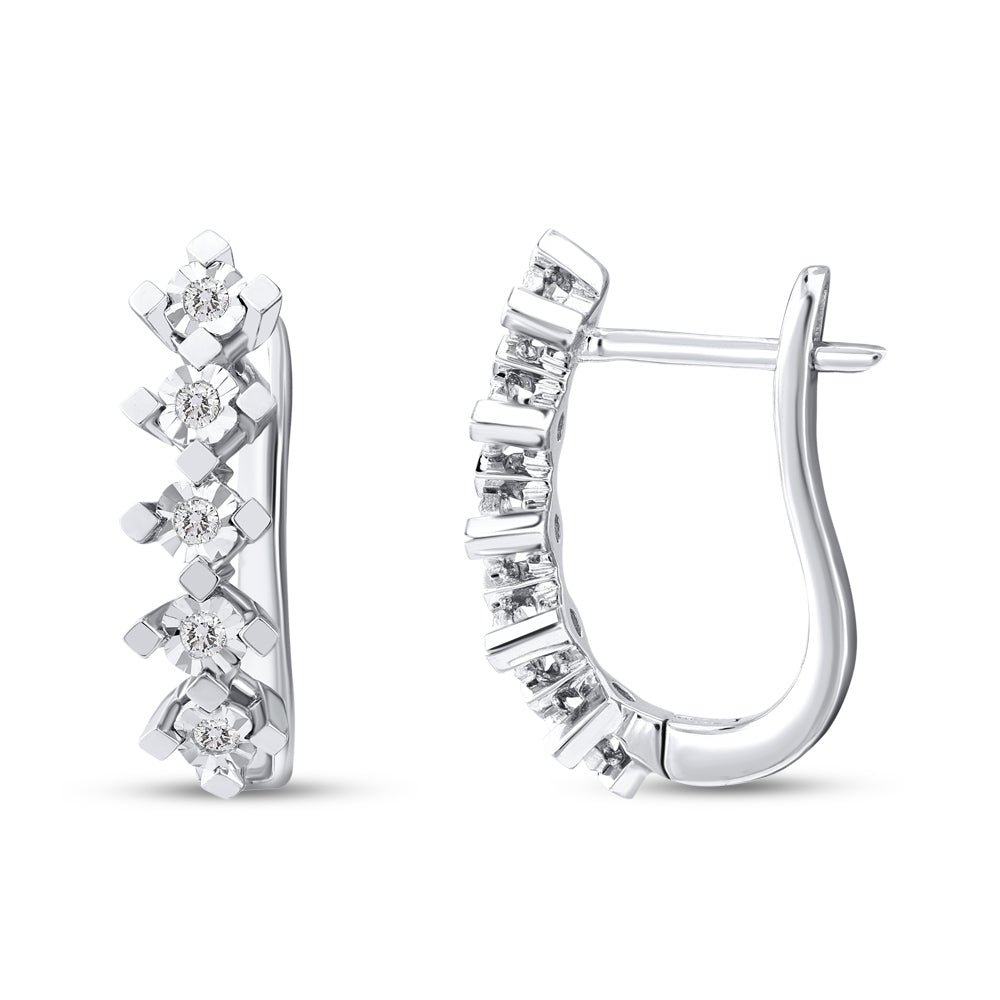
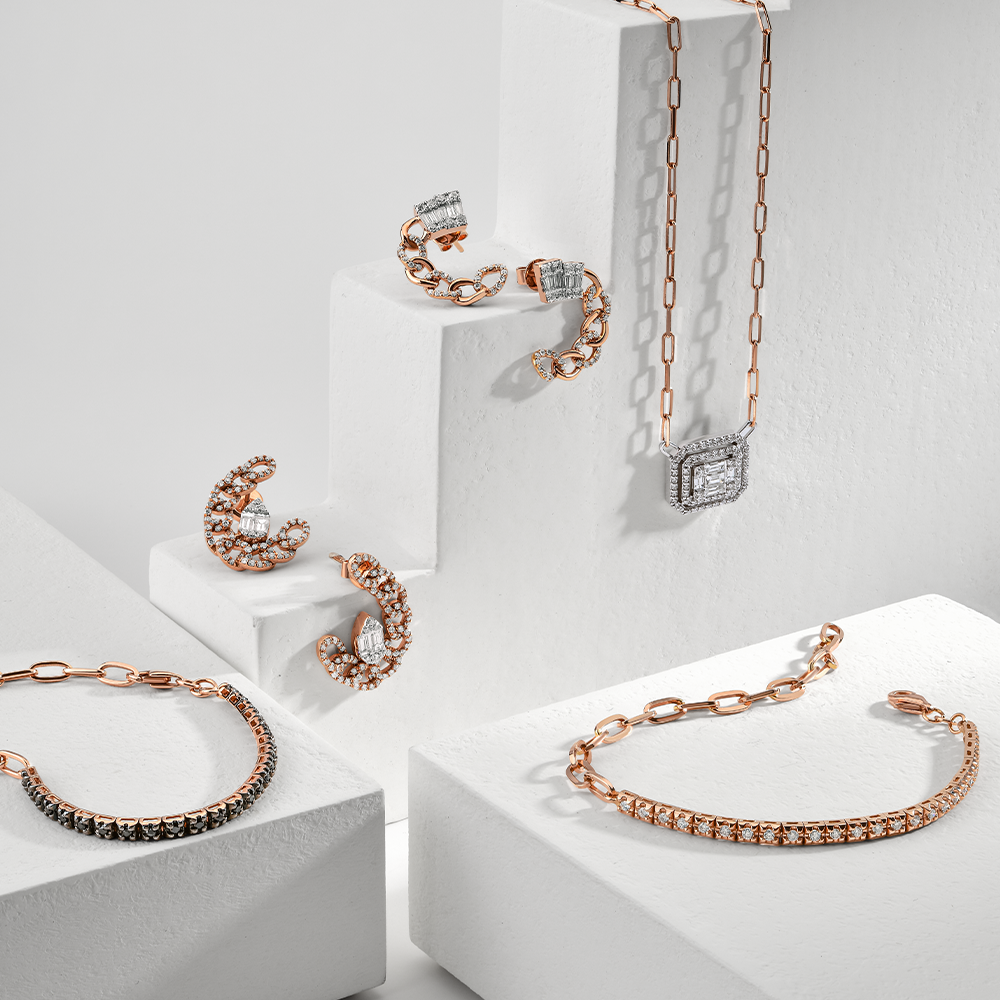
• Earrings: Ruby earrings, whether studs, drops, or hoops with ruby accents, let the color speak without the wear concerns of a ring. A particularly excellent option for gifting, since no sizing is required.
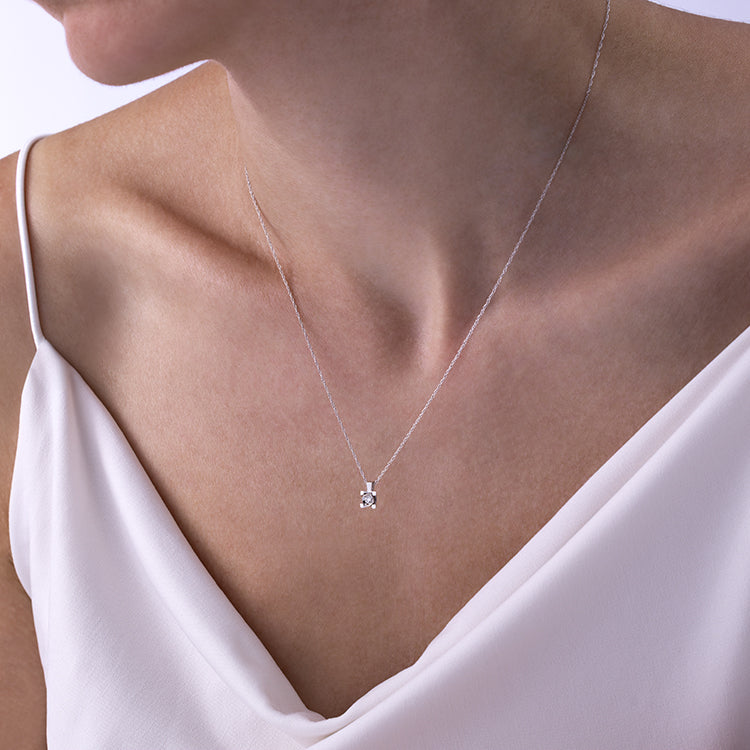
• Pendants: A ruby pendant at the neckline benefits from natural light and movement, which intensifies the stone's color. A solitaire ruby pendant in yellow gold is one of the most classic combinations in fine jewelry.
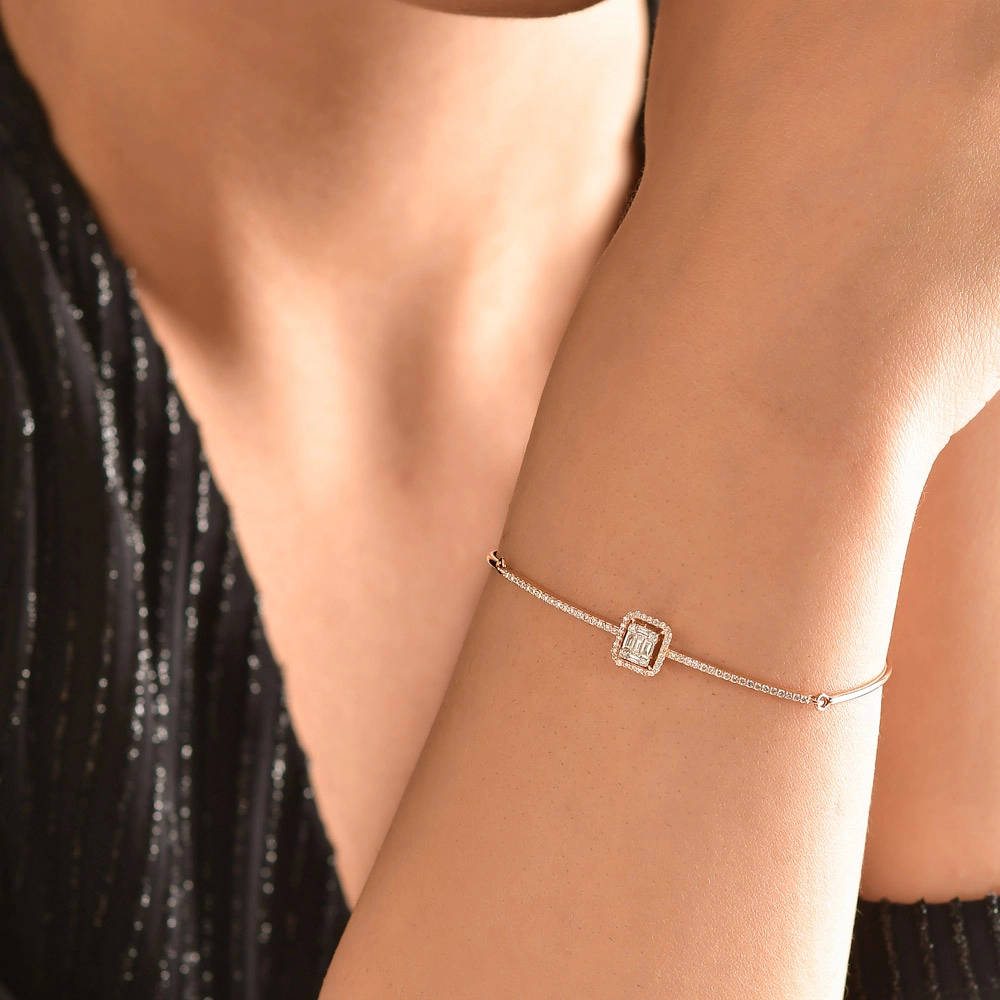
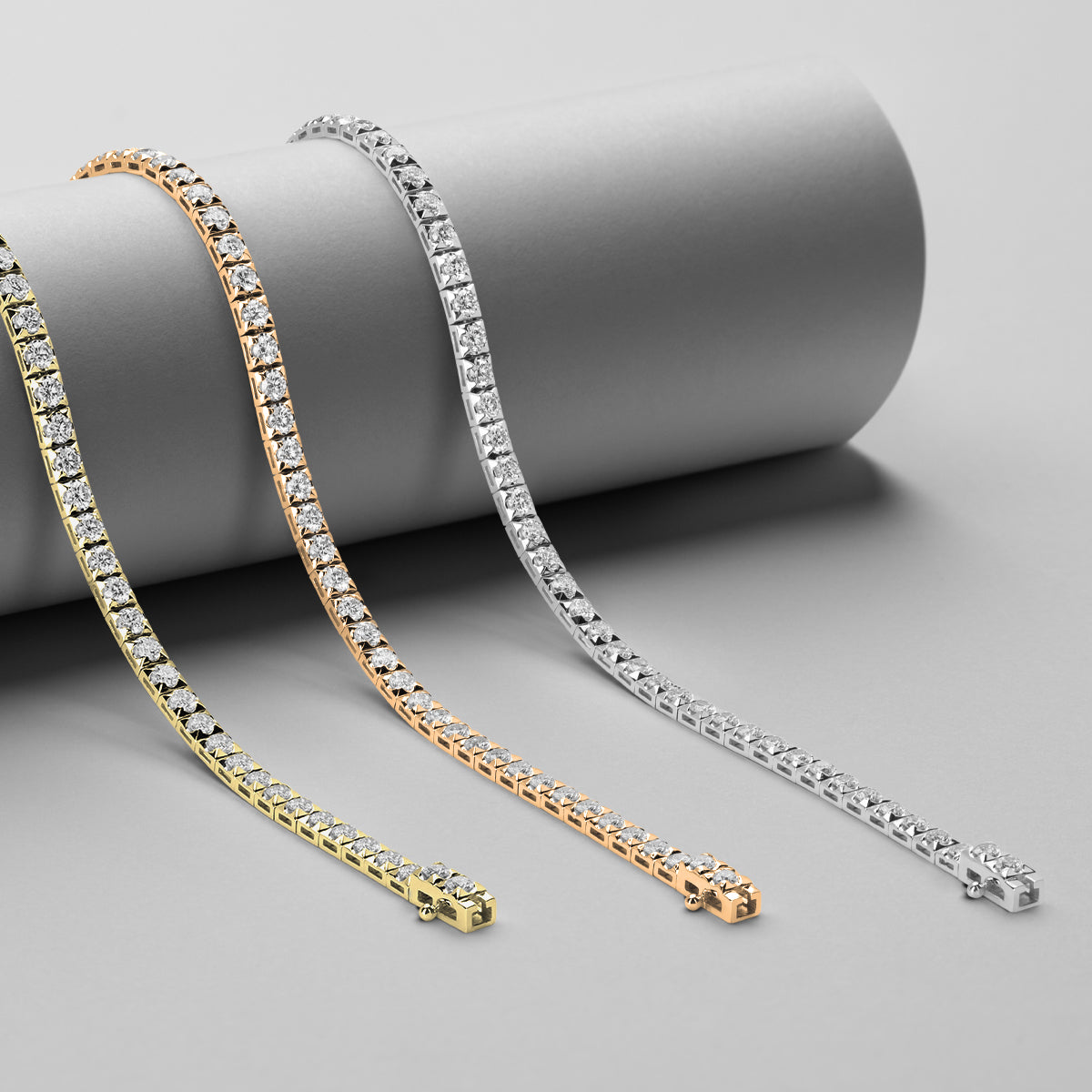
• Bracelets and tennis bracelets: Ruby and diamond alternating in a tennis bracelet is a striking combination; the contrast between the red and white creates maximum visual impact.
Ruby as a Gift: Who It's For and When
Ruby is the natural choice for several occasions beyond a July birthday:
• July birthdays: The obvious choice, but consider going beyond the standard pendant. A pair of ruby stud earrings or a ruby and diamond bracelet makes a more unexpected, memorable gift.
• 15th and 40th wedding anniversaries: Ruby is the traditional stone for both milestones. A ruby piece is one of the few gifts that carries built-in meaning for the occasion.
• Valentine's Day: Ruby's association with love and passion makes it a year-round alternative to the more predictable diamond gift.
• Milestone birthdays: A significant birthday, the 30th, 40th, or 50th, is an occasion where a fine ruby piece makes an impression that lasts.
How to Care for Ruby Jewelry
Ruby is one of the most durable gemstones you can own, but a few basic habits will keep it looking its best:
• Clean regularly with warm water, a drop of mild dish soap, and a soft brush. Work gently around the setting and stone. Rinse thoroughly and pat dry with a lint-free cloth.
• Avoid ultrasonic cleaners if your ruby has surface-reaching fractures or has been fracture-filled, the vibration can worsen existing fractures. If you're unsure, ask your jeweler before using one.
• Store separately from other gemstones. Ruby's hardness means it can scratch softer stones it comes into contact with in a jewelry box.