



Can You Wear Your Diamond Jewelry at the Gym?
Can You Wear Your Diamond Jewelry at the Gym?
You wear your ring or studs every day, so it's reasonable to ask whether the gym should be any different. The honest answer is that it depends entirely on what you're wearing and what kind of workout you're doing. Some diamond jewelry handles a gym session just fine. Other pieces are one grip-heavy set away from a bent prong, a lost stone, or a genuine injury.
Quick answer: Low-impact workouts like walking, yoga, or a light cardio session are generally safe for most diamond jewelry. Weightlifting, HIIT, pull-ups, and any grip-intensive exercise are not, especially for prong-set rings, since barbells and machine handles can loosen stones, bend the band, or cause a serious injury called ring avulsion. If you're unsure, remove your rings before you lift weights.
Here's a breakdown by workout type, the specific risks involved, and how to protect your jewelry either way.
The Real Risks, Not Just Scratches
Most people assume the worst-case scenario is a scratch. There are actually three separate risks at play, and only one of them is cosmetic.
-
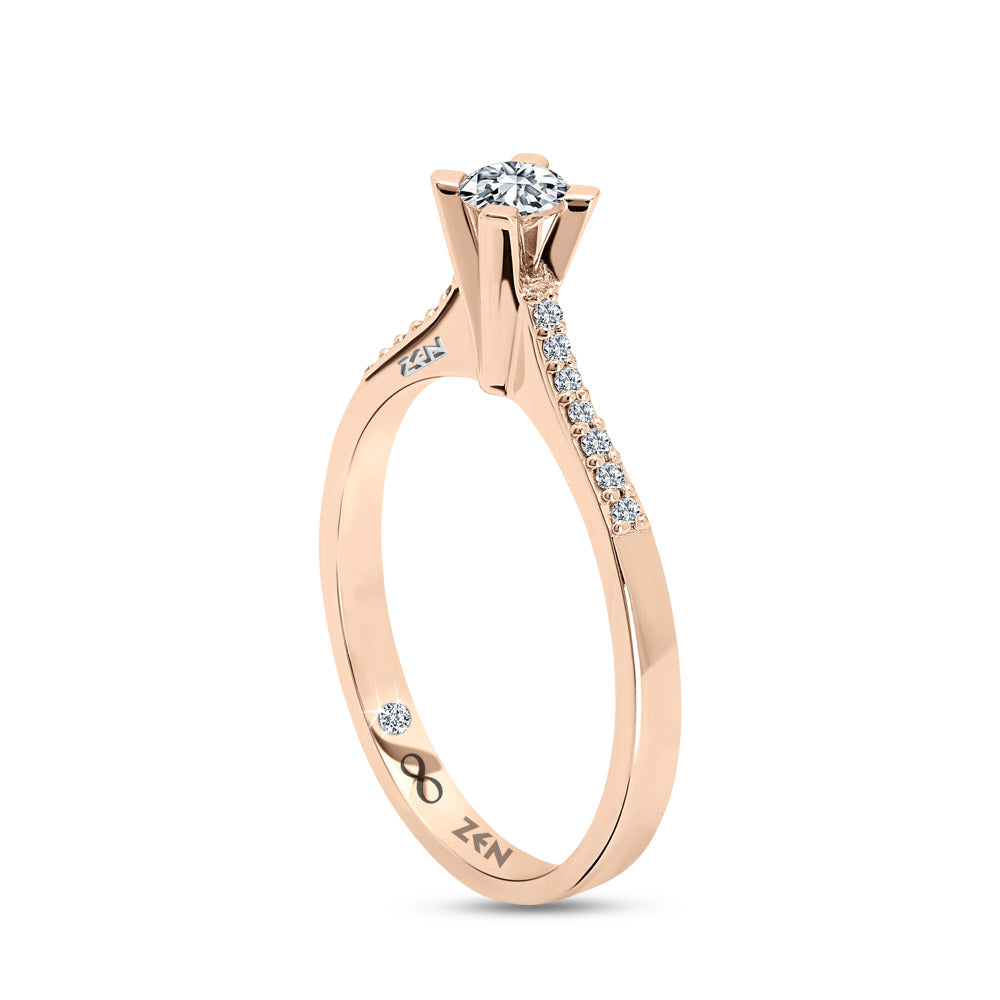
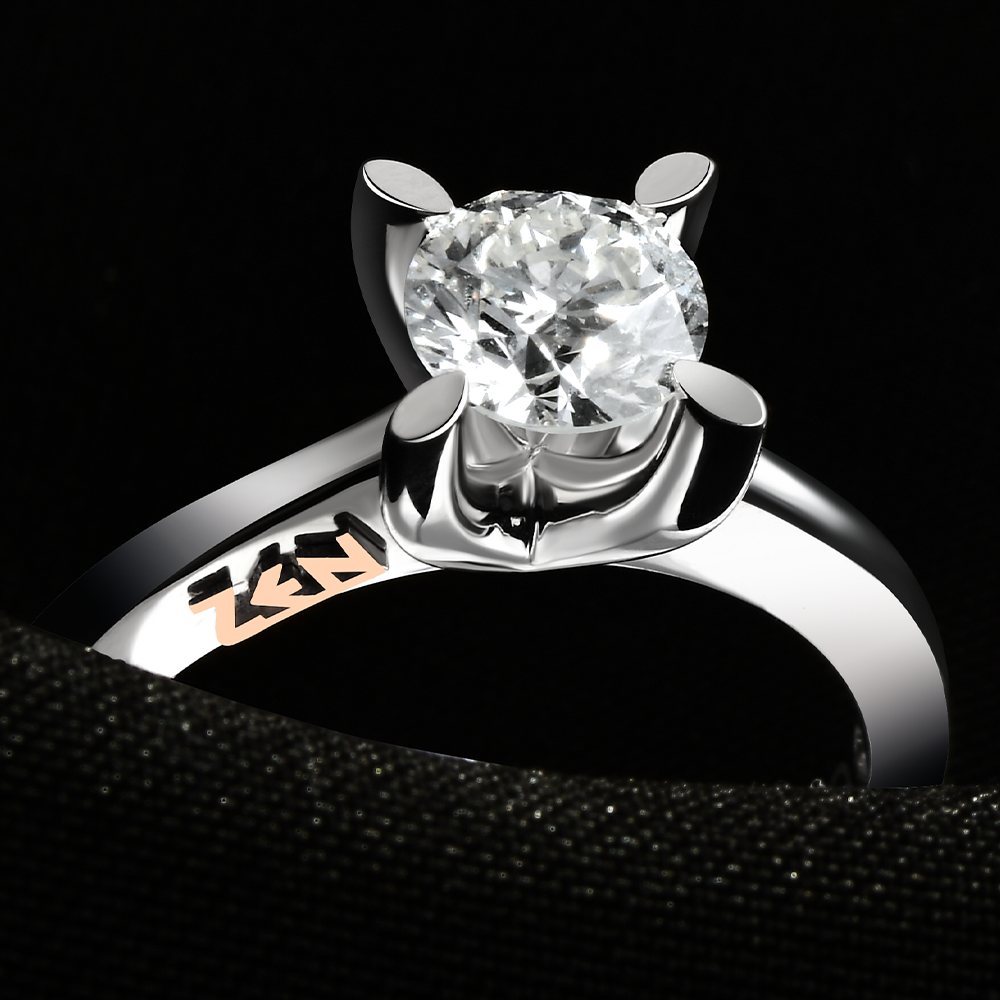
Damage to the piece. Metal-on-metal contact with barbells, dumbbells, and machine handles can scratch the band, bend the shank, or loosen the prongs holding a stone in place. A loosened prong is how diamonds go missing, not usually because the setting fails all at once, but because it wears down gradually until a stone slips out unnoticed.
-
Damage to the diamond. Diamonds are the hardest natural material, but hardness isn't the same as indestructibility. A hard, direct impact, like a dumbbell coming down against a ring, can chip a diamond along one of its facet edges.
-
Injury to you. This is the one people underestimate. Ring avulsion happens when a ring catches on equipment, a pull-up bar, or a weight, and is forcibly pulled or caught while the finger is still inside it. It's a serious injury, and it's the main reason jewelers and orthopedists alike recommend removing rings before any grip-heavy exercise.
What's Safe by Workout Type
Walking, light cardio, cycling. Minimal hand and grip engagement means most rings and studs are fine to leave on.
Yoga and pilates. Low-impact and generally low-risk, though some instructors ask students to remove rings before certain hand-balancing poses.
Weightlifting, kettlebells, barbells. This is where the real risk starts. Direct pressure and repeated grip against metal equipment can loosen prongs, bend bands, and set up an avulsion risk. Rings should come off.
HIIT, CrossFit-style classes, pull-ups. Unpredictable, fast hand movement combined with equipment contact makes this one of the higher-risk categories for both damage and avulsion.
Boxing or any contact sport. Rings should always come off. Beyond the risk to your own hand, a ring can scratch or injure whoever you're training with.
Swimming or pool workouts. Skip the jewelry entirely. Chlorinated water is harsh on precious metals and can dull or discolor gold over repeated exposure.
What About Sweat?
Even for lower-risk cardio sessions, sweat isn't harmless. It's mildly acidic, and over time it can seep into the small gaps around a setting, leaving behind a film that dulls a diamond's sparkle. This isn't a reason to avoid wearing jewelry to a light workout, but it is a reason to rinse rings and studs in clean water afterward, before that buildup has a chance to set in.
How to Protect Your Jewelry During Higher-Risk Workouts
If you're not willing to leave your ring at home, a few habits reduce the risk without requiring you to go bare-handed:
-
Use a dedicated storage spot, such as a small zippered pouch or a padded ring case inside your gym bag, rather than a pocket or an open gym bench.
-
Consider a ring-holding wristband for sessions where you don't want the ring in a locker but also don't want it on your finger during lifts.
-
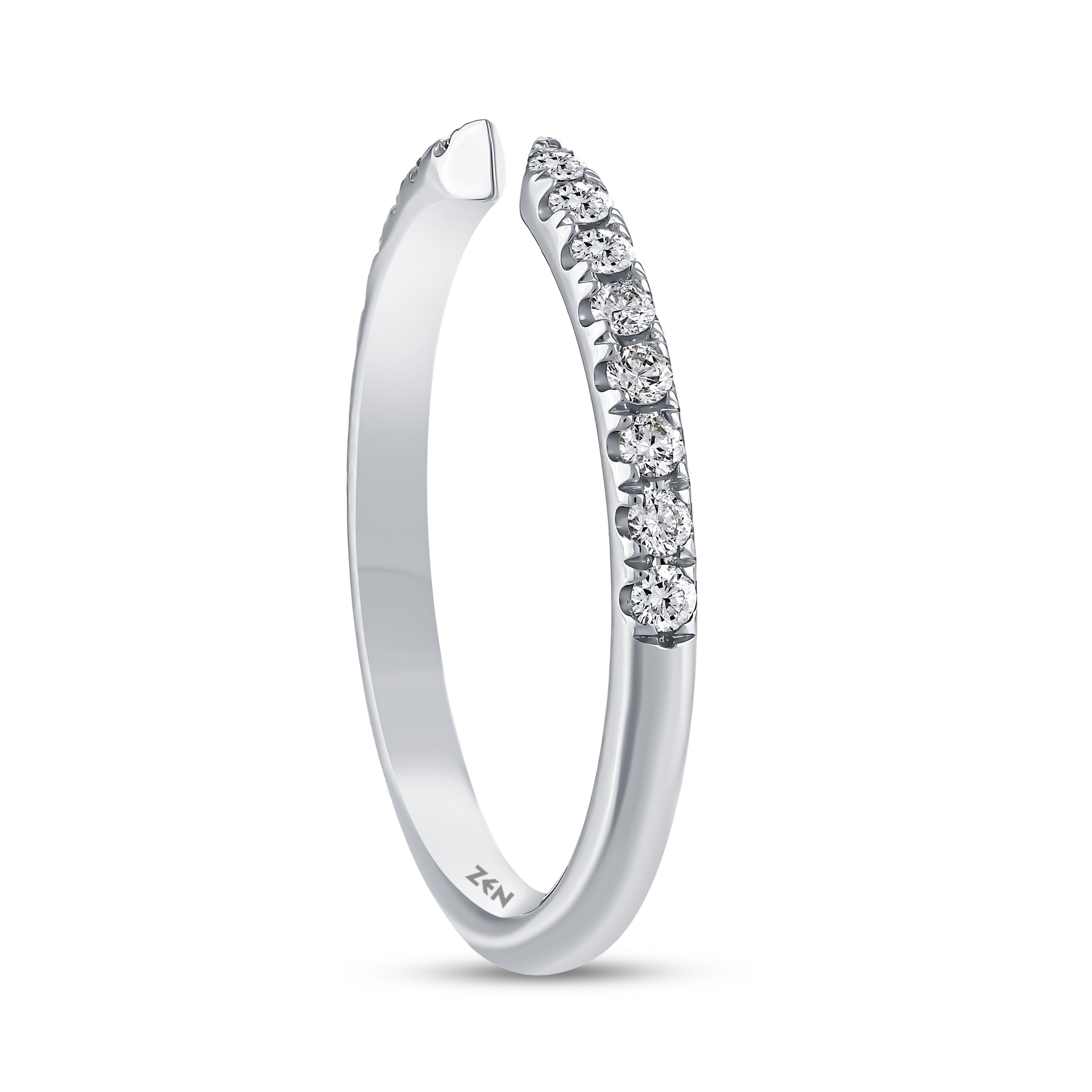
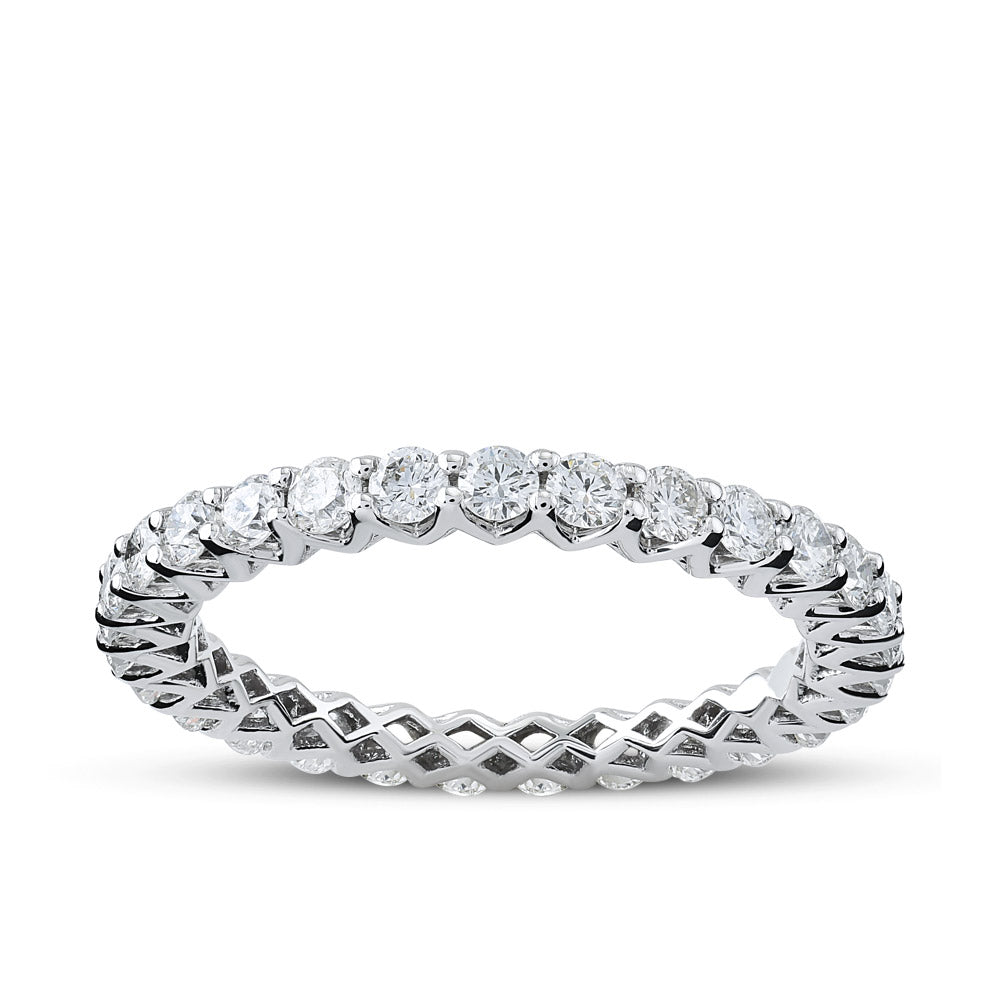
Choose secure settings for everyday active wear. Bezel-set stones and low-profile prongs snag less and hold stones more securely than tall, open prong settings, making them a better choice for pieces you plan to wear through a workout.
-
Rinse and dry jewelry after sweaty sessions to limit buildup around the setting.
Frequently Asked Questions
Is it safe to wear my engagement ring while lifting weights?
Generally, no. Direct contact with barbells, dumbbells, and machine handles can loosen prongs, chip the stone, or bend the band, and grip-heavy movements carry a real risk of ring avulsion. It's safest to remove rings before any weightlifting session.
Can I wear diamond studs to the gym?
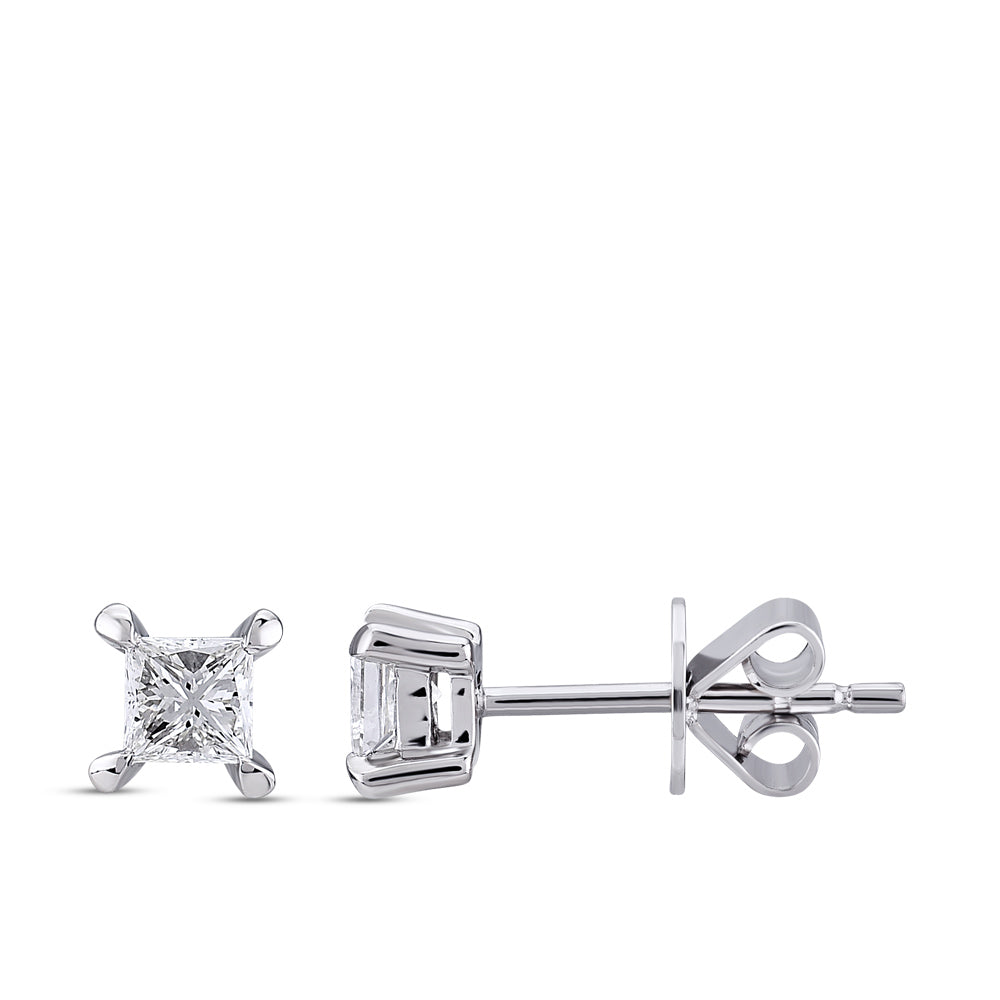
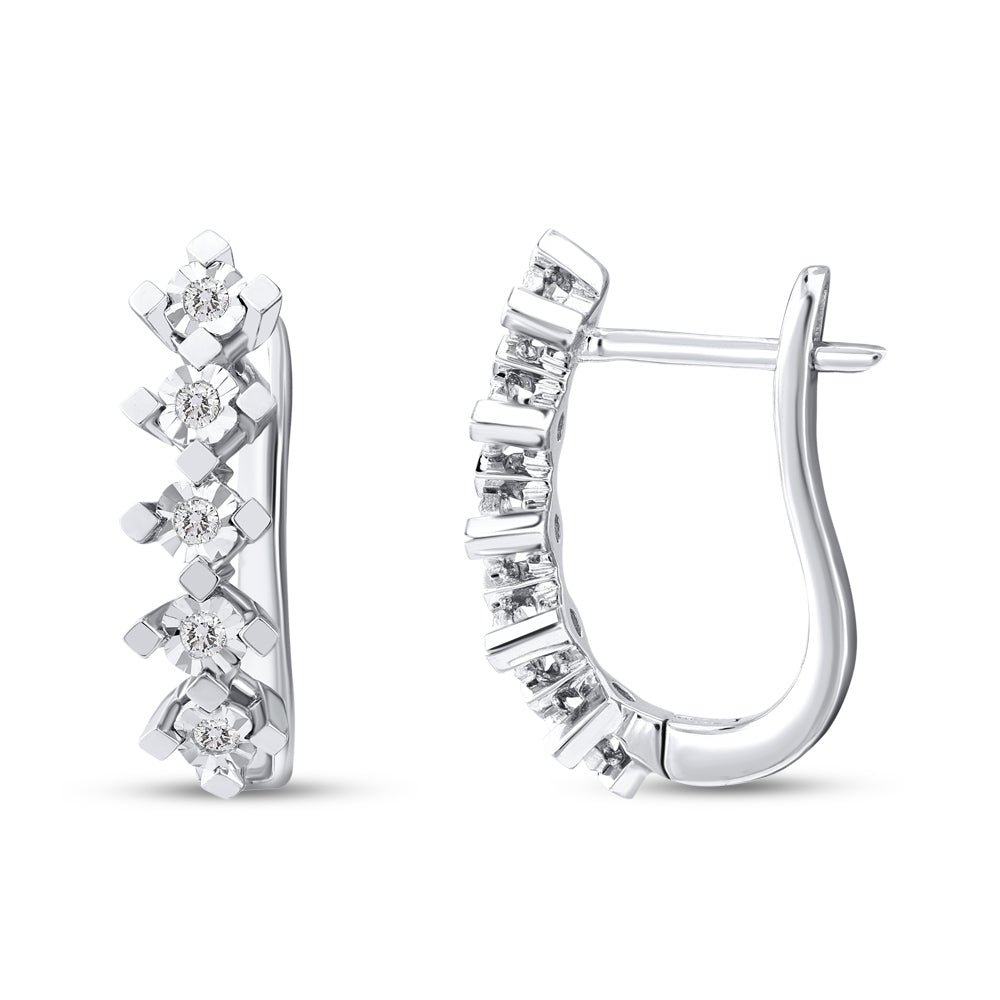
Yes, in most cases. Bezel-set or low-profile studs are secure and low-snag, making them one of the safer diamond jewelry choices for regular gym wear, including cardio and strength training.
What is ring avulsion?
Ring avulsion is an injury that happens when a ring catches on equipment, such as a weight or a pull-up bar, and is forcibly pulled while the finger is still inside it. It's a serious risk during grip-intensive exercise and is one of the main reasons jewelers recommend removing rings before lifting.
Does sweat actually damage jewelry?
Sweat is mildly acidic and can build up around a setting over time, dulling a diamond's sparkle. It's not a reason to avoid wearing jewelry during light workouts, but rinsing pieces in clean water afterward helps prevent buildup.