What Is Diamond Shape?
What Is Diamond Shape?
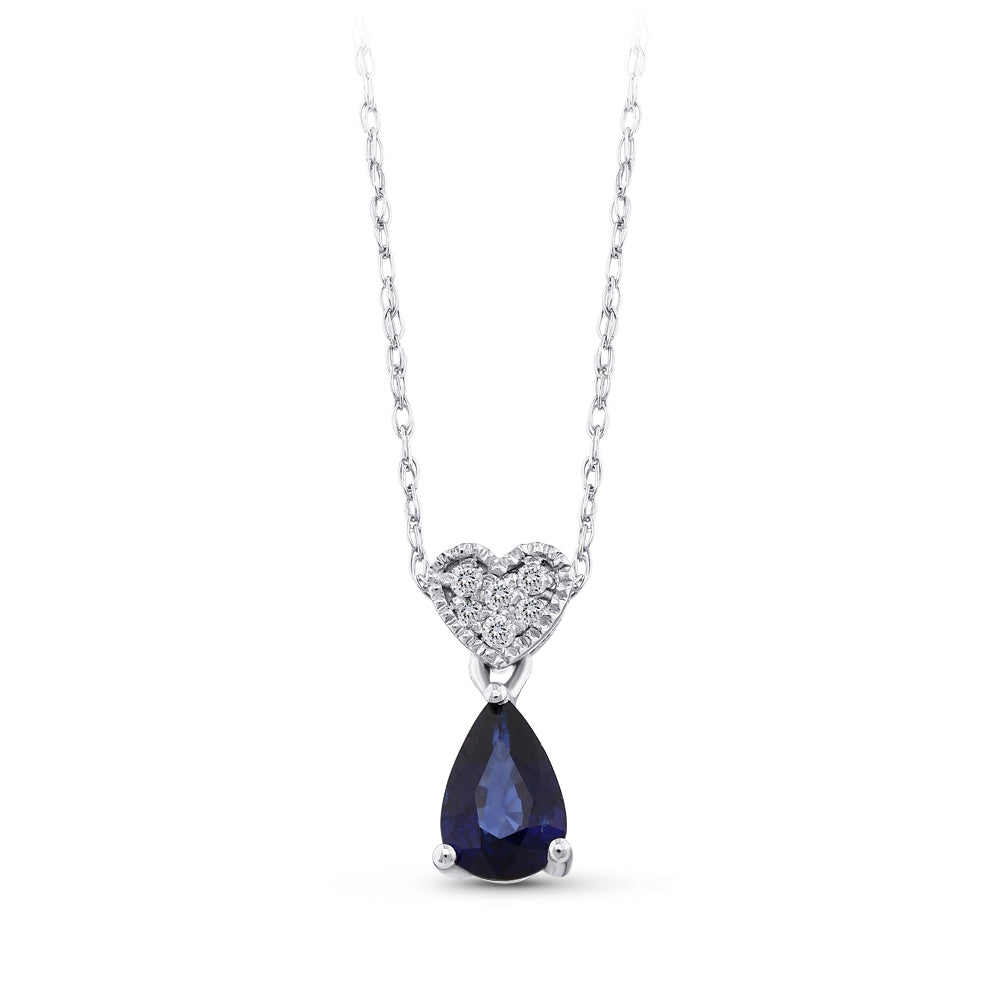
Diamond shape describes the stone’s geometric outline when viewed face-up. Round is the classic example; non-round options are commonly called fancy shapes. These include oval, pear, marquise, cushion, princess, emerald, Asscher and heart.
Shape is primarily a style decision, but it also affects how a ring looks and wears. Elongated outlines such as oval, pear and marquise can create more length across the finger. Pointed shapes may need protective prongs, while square or rectangular shapes produce a different balance than a round center stone. Proportions matter, too: two oval diamonds can share the same carat weight yet have different length-to-width ratios and noticeably different silhouettes.
Carat alone does not tell you how large a diamond will look from above. Depth and face-up dimensions influence visible spread, so compare millimeter measurements as well as weight. For a visual reference, see What Does Each Carat Look Like on Your Finger?.
What Is Diamond Cut?
“Cut” is used in more than one way, which is the main source of confusion. It may describe a cutting style—the pattern and arrangement of a diamond’s facets. Brilliant cuts use many triangular and kite-shaped facets to create lively flashes of light, while step cuts use longer, parallel facets for a broader, more architectural effect. A radiant diamond and an emerald-cut diamond can both have rectangular outlines, for example, but their facet patterns create very different appearances.
Cut can also mean cut quality, one of the 4Cs. In that sense, it considers how proportions, symmetry and polish work together and how the finished diamond interacts with light. A well-executed cut can support brightness, fire and scintillation; a poorly proportioned stone may leak light or appear less lively even when its color and clarity grades are strong.
One important limitation: GIA’s overall cut grade applies to standard round brilliant diamonds in the D-to-Z color range. Fancy shapes do not receive the same overall GIA cut grade. When comparing them, review the laboratory report, measurements, polish and symmetry, then examine the actual stone or high-quality video for balanced light return, distracting dark areas and an attractive outline.
For a broader comparison of popular shapes, faceting patterns and shopping considerations, visit Diamond Cuts Explained: Which Shape Is Best?.
Why Are “Cut” and “Shape” Often Used Interchangeably?
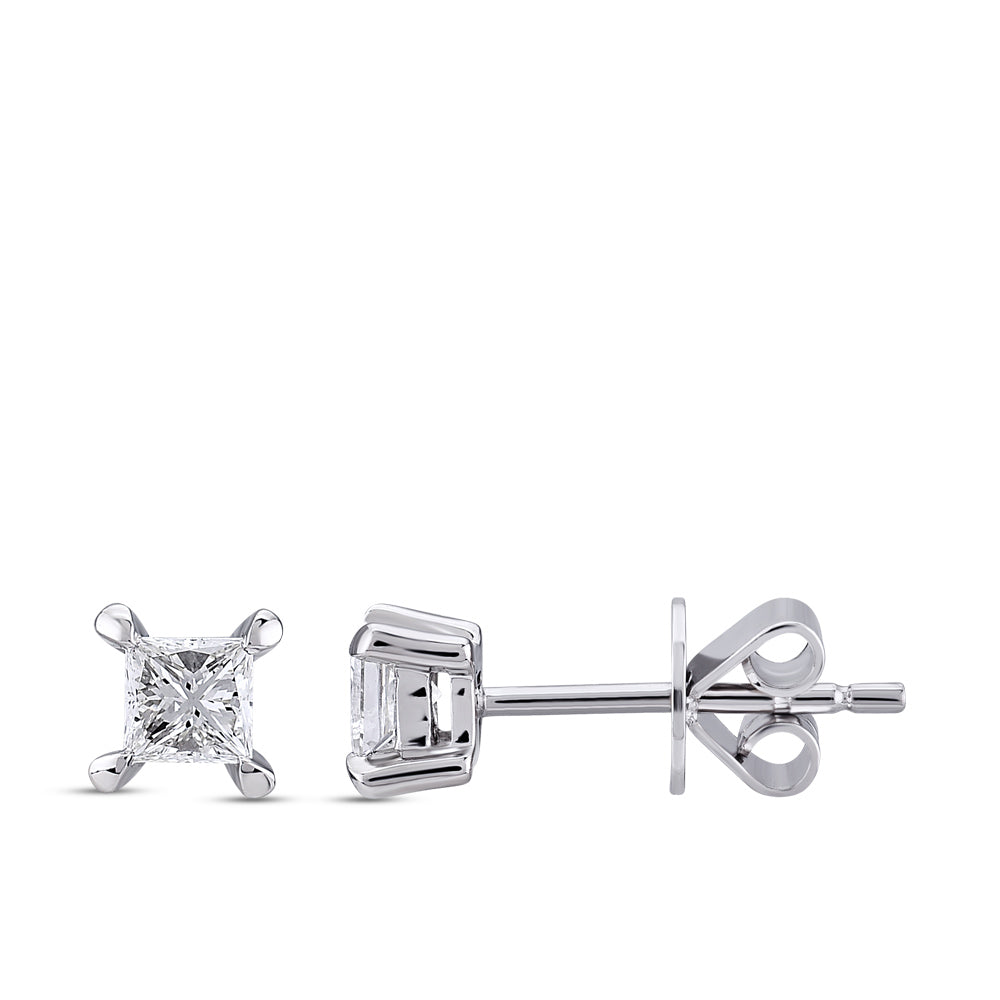
Jewelry names often combine the two ideas. “Round brilliant” names a round outline and a brilliant faceting style. “Emerald cut” generally refers to a rectangular or square outline with cropped corners and step-cut facets. “Princess cut” usually describes a square outline paired with brilliant-style faceting.
In everyday shopping language, people may say “oval cut” when they mean oval shape. The wording is common, but the distinction is useful: an oval tells you the silhouette, not whether that particular diamond is well proportioned or visually lively.
How Shape and Cut Affect a Diamond’s Appearance
Shape defines the design language
The outline is the first feature most people notice. Round shapes feel balanced and traditional; ovals and marquises create an elongated line; cushions have softened corners; emerald shapes emphasize clean geometry. Shape also influences the best setting, the amount of finger coverage and whether points or corners need extra protection.
Cut controls how the diamond handles light
Facet arrangement and execution determine whether the diamond shows pinpoints of sparkle, broad flashes, strong contrast or a glassier hall-of-mirrors look. Cut quality can also affect apparent size. A diamond that carries too much weight below the girdle may weigh more without looking proportionally larger from above.
The two decisions work together
Choosing an oval shape does not guarantee a particular level of sparkle, and choosing a high cut grade does not determine whether you prefer a round or rectangular outline. The strongest purchase combines a silhouette you love with convincing light performance in the individual stone.
Should You Choose Diamond Shape or Cut First?
Start with shape to narrow the visual direction, then prioritize cut and overall execution within that shape. This keeps the search personal without treating beauty as a label on a grading report.
Choose two or three shapes: Compare silhouettes on the hand and decide whether you prefer round, elongated, square or rectangular proportions.
Compare similar rings: View diamonds in comparable carat weights and setting styles so a halo, side stones or band width does not distort the comparison.
Check measurements, not only carat: Review length, width and depth to understand face-up size and proportions.
Assess cut evidence: For standard round brilliants, review the cut grade. For every shape, examine polish, symmetry, proportions, imagery or video and the stone’s appearance in varied lighting.
Match the setting to the outline: Confirm that prongs protect points and corners and that the setting complements the diamond’s proportions.
Balance the full 4Cs: Decide where visible differences matter most to you rather than maximizing every grade automatically.
Which Matters More When Buying an Engagement Ring?
Neither replaces the other. Shape is essential because you will see its silhouette every day. Cut is essential because it strongly influences how the diamond performs in light. If sparkle is a priority, do not sacrifice cut quality simply to reach a larger carat number. If a distinctive outline is the priority, compare several well-executed stones within that shape rather than assuming every oval, pear or emerald shape will look alike.
There is no universally “best” diamond shape. The best choice is the one that fits your style, setting, lifestyle and budget while still looking balanced and lively to your eye.
Frequently Asked Questions
Does diamond cut mean the same thing as diamond shape?
No. Shape is the face-up outline, such as round or oval. Cut refers to facet design and, in the 4Cs, the quality of the diamond’s proportions and finish.
Can two diamonds with the same shape have different cuts?
Yes. Diamonds with the same outline can differ in facet pattern, proportions, polish, symmetry and light performance. Even two oval brilliant diamonds can look different because their proportions and execution are not identical.
Do all diamond shapes receive a cut grade?
No. GIA assigns an overall cut grade to standard round brilliant diamonds in the D-to-Z color range. Fancy shapes require additional evaluation of their reports, measurements and visual performance.
Does diamond shape affect sparkle?
Shape influences the facet patterns typically used, but cutting style and cut quality have a more direct effect on sparkle. A shape name alone does not guarantee strong light performance.
Can diamonds with the same carat weight look different in size?
Yes. Carat measures weight, not face-up dimensions. Shape, depth and weight distribution can make equal-carat diamonds appear different in size.
Compare Diamond Shapes and Engagement-Ring Styles
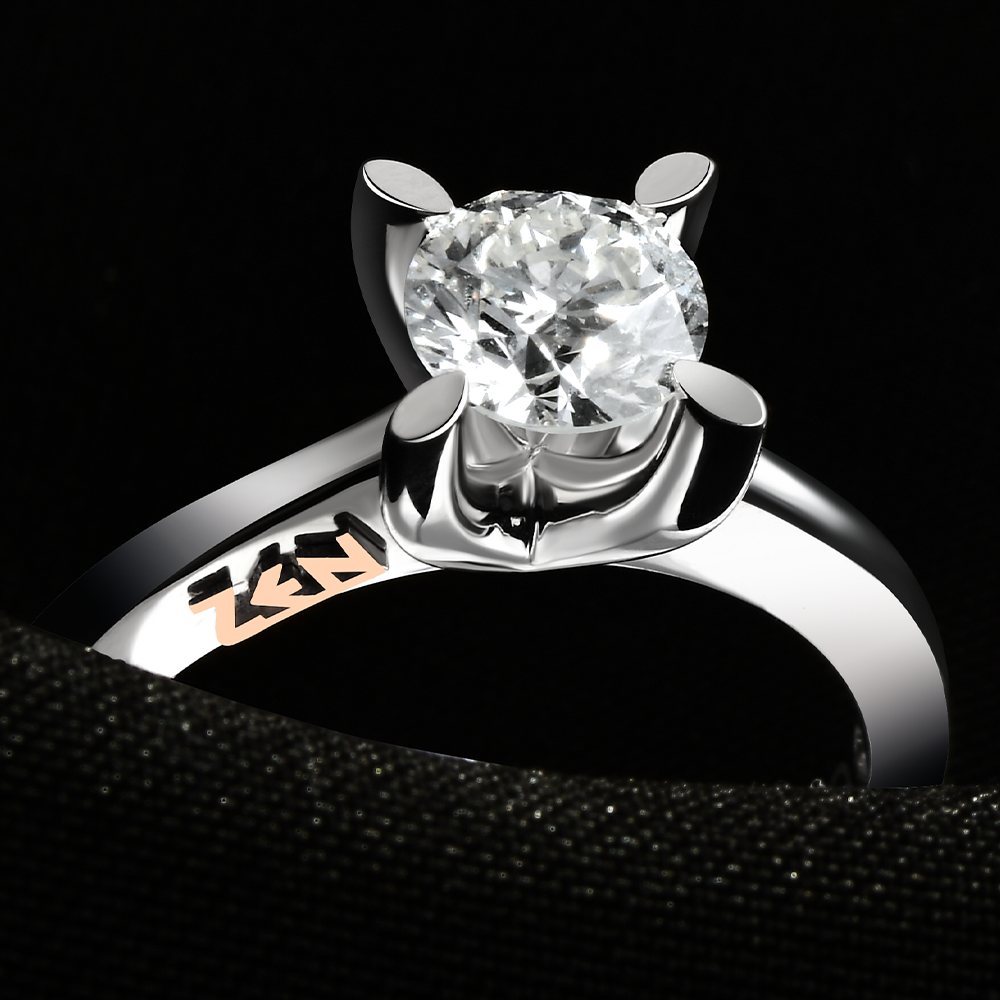
Now that the terminology is clear, compare how different silhouettes, settings and proportions look together. Explore Zen Diamond engagement rings and wedding bands to find the shape and ring style that suit your preferences.