




How to Protect an Engagement Ring While Traveling
How to Protect an Engagement Ring While Traveling
To protect an engagement ring while traveling, decide first whether it should make the trip. Leaving the original securely at home is the lowest-risk choice for an active itinerary. If you bring it, confirm your insurance details, photograph the ring, keep it with you in transit, choose one secure storage place and remove it before swimming, strenuous activities or situations where it may slip off or be damaged. A simple plan made before departure is safer than deciding where to put the ring in the moment.
Should You Travel With Your Engagement Ring?
There is no rule that an engagement ring must stay home. The right choice depends on the trip, the ring and your comfort level. A relaxed city weekend may present fewer practical risks than a vacation built around beaches, water sports, hiking or frequent hotel changes.
Consider leaving the original ring in secure home storage if you expect to remove it repeatedly, if the fit is already loose, if a prong or setting may need attention, or if wearing valuable jewelry would make you uneasy. A simple travel band can preserve the symbolism without exposing the original ring to the same risk. If you do take the ring, treat its storage as part of the itinerary—not an afterthought.
Before You Leave: Build a Ring Travel File
A few records can make identification, insurance conversations and repair decisions easier if something goes wrong. Store digital copies in a secure location you can access away from home; avoid keeping the only copy in a bag that could also be lost.
Take current photographs. Photograph the ring from several angles, including the setting, profile and any distinctive details or inscription. A close, well-lit image is more useful than a distant hand photo.
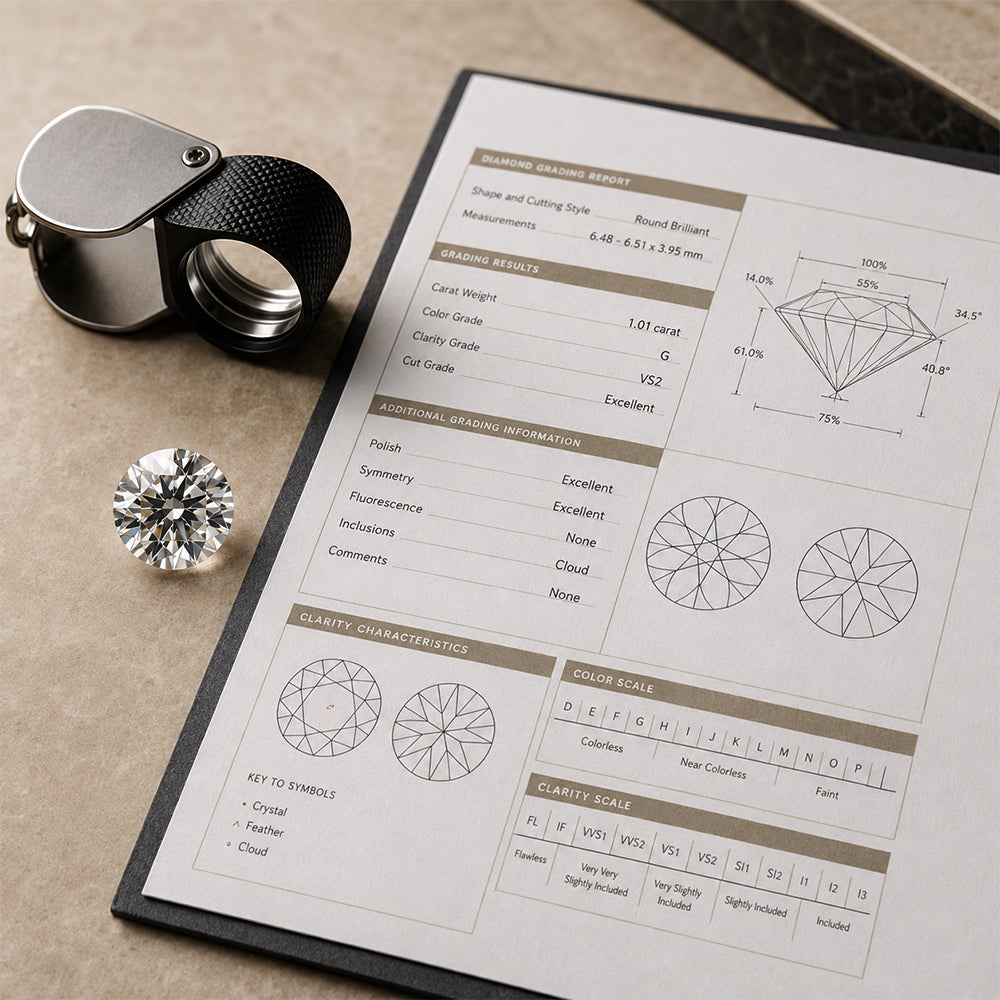
Save the purchase and appraisal records. Keep a secure digital copy of the receipt, current appraisal and grading report, if applicable. Do not post identifying documents or travel dates publicly.
Review the insurance policy. Confirm whether your own policy covers loss, theft, accidental damage and travel outside the United States. Check the deductible, exclusions, documentation requirements and claim contact information. Coverage varies, so ask the insurer rather than assuming.
Check the ring before departure. If the center stone moves, a prong catches, the band is misshapen or the ring suddenly feels loose, stop wearing it and arrange a professional inspection. Travel is not the time to test a questionable setting.
Temperature and activity can change how a ring fits. If you are unsure about sizing, review Zen Diamond’s at-home ring-size guide and have the fit checked professionally before relying on a temporary sizing solution.
How to Travel With an Engagement Ring Through the Airport
Keep valuable jewelry on your person or inside a zipped compartment of your carry-on; do not pack it in checked luggage. The U.S. Transportation Security Administration advises travelers to keep valuable items with them. Follow the screening officer’s instructions at the checkpoint.
If you are asked to remove the ring, place it directly into its travel case or a zipped carry-on pocket before the bag enters screening. Do not set it loose in a tray, coat pocket or open tote. After screening, move away from the conveyor, confirm that the ring is secure and close the compartment before reorganizing anything else.
For a ring being carried for a surprise proposal, use a compact protective box that stays inside your carry-on and remains under your control. Avoid repeatedly opening the case in airports, vehicles or other transitional spaces where small items are easily misplaced.
Use One Secure Storage Routine at Your Destination
Most travel losses happen because a small object is placed somewhere “for a minute.” Choose one storage routine and use it every time. When the ring is not on your hand, put it in a structured, closed jewelry case—not on a sink, nightstand, towel, tissue or in a loose pocket.
A hotel-room safe can reduce casual access, but no storage method eliminates risk. Follow the property’s instructions, confirm the safe has locked and keep the ring out of sight when staff or visitors enter the room. If the property offers a front-desk safe or safe-deposit service, ask how access and documentation work before using it. Never hide a ring in bedding, a shoe or another place that may be cleaned, packed or forgotten.
Use discreet judgment when deciding where to wear valuable jewelry. There is no need to advertise the ring, its value or your exact location on social media while you are away. If local conditions or an activity make you uncomfortable, store the ring securely or leave it at home.
Take the Ring Off Before Water and High-Risk Activities
Beaches and pools create several avoidable risks. Cold water can make fingers feel smaller, while sunscreen can make a ring slippery. Sand, towels and waves also make a dropped ring extremely difficult to find. Pool chemicals and repeated exposure to cleaning products may affect some metals or finishes, and water does not prevent impact damage.
The safest approach is to store the ring before leaving for the beach or pool—not to remove it beside the water. Read Zen Diamond’s detailed guidance on wearing an engagement ring in the pool before planning a swim day.
Also remove the ring before strenuous workouts, climbing, contact sports, heavy lifting, gardening and any activity that could bend the band, strike the setting or trap pressure against the finger. A necklace or swimsuit pocket is not a secure substitute for a closed case. Plan where the ring will stay before the activity begins.
Keep the Ring Clean Without Improvising
Sunscreen, lotion and soap can leave a film that reduces a diamond’s visible brightness. During a trip, the safest response is usually simple: handle the ring over a secure surface, use only a method appropriate for its metal and setting, rinse carefully if advised, and dry it with a clean, lint-free cloth. Never clean it over an open drain.
Avoid toothpaste, baking soda, bleach and other abrasive or harsh household products. Do not use an unfamiliar ultrasonic cleaner, particularly when you do not know the setting’s condition. For a complete routine, follow Zen Diamond’s guide to cleaning a diamond ring at home. If the ring has loosened stones, visible damage or delicate design details, wait for professional care.
What to Do If the Ring Is Lost, Stolen or Damaged
Stop and narrow the search: Return to the last confirmed location and check the ring case, zipped compartments, clothing, bathroom surfaces and bedding carefully. Ask others not to move towels, linens or trash until the area is checked.
Notify the right location quickly: Contact the hotel, airline, rental-car company, venue or transportation provider. If the ring may have been left at a U.S. airport screening checkpoint, contact that airport’s TSA lost-and-found office. If theft is suspected, make a local police report and keep the report number.
Contact the insurer: Report the incident promptly and follow the policy’s instructions. Provide only accurate records and retain copies of correspondence, receipts and reports.
Stop wearing a damaged ring: Place it in a closed case and arrange a professional inspection. Do not push a stone back into place, bend a prong or use glue; a temporary-looking fix can lead to further damage or loss.
Engagement Ring Travel Checklist
|
When |
What to Do |
|
Before booking |
Decide whether the original ring belongs on this trip. |
|
One to two weeks before |
Check the fit and setting; update photos and documents. |
|
Before departure |
Confirm insurance terms and save claim contact details. |
|
In transit |
Keep the ring with you or in a zipped carry-on compartment. |
|
At the destination |
Use one closed case and one consistent secure storage place. |
|
Before water or activities |
Store the ring before leaving the room or other secure location. |
|
Before returning home |
Check the ring and case before checking out and again after arrival. |
Frequently Asked Questions
Should I wear my engagement ring on a plane?
You can wear it, but keep it under your control and follow security officers’ instructions. If removal is requested, place it directly into a closed case or zipped carry-on compartment rather than loose in a screening tray.
Should an engagement ring go in checked luggage?
No. Valuable jewelry should remain with you or in your carry-on, not in checked baggage. This also keeps the ring available if a checked bag is delayed.
Is a hotel safe enough for an engagement ring?
A properly used hotel safe may reduce risk, but it is not a guarantee. Confirm it has locked, keep access limited and follow the property’s procedures. If you are uncomfortable with the available storage, it may be better not to travel with the ring.
Can I wear my engagement ring at the beach?
Leaving it in secure storage is the safer choice. Cold water, sunscreen, sand, towels and waves all increase the chance of loss, and removing the ring at the beach creates another opportunity to misplace it.
Does engagement ring insurance cover international travel?
It depends on the policy. Ask your insurer whether worldwide loss, theft and accidental damage are covered, and review exclusions, deductibles and required documentation before departure.
Travel Confidently With a Plan
An engagement ring can be part of meaningful travel memories, but it should not become a source of constant worry. Decide whether to bring it, prepare the records you may need, keep it under your control in transit and use the same secure storage routine throughout the trip. When water, strenuous activity or an uncertain setting raises the risk, store the ring before the moment becomes complicated.
Continue with Zen Diamond’s engagement-ring care guidance, or explore natural diamond engagement rings and wedding bands designed to mark life’s most meaningful journeys.